2026-09-07
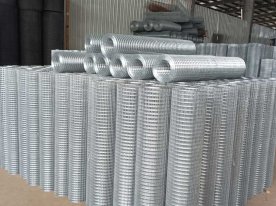
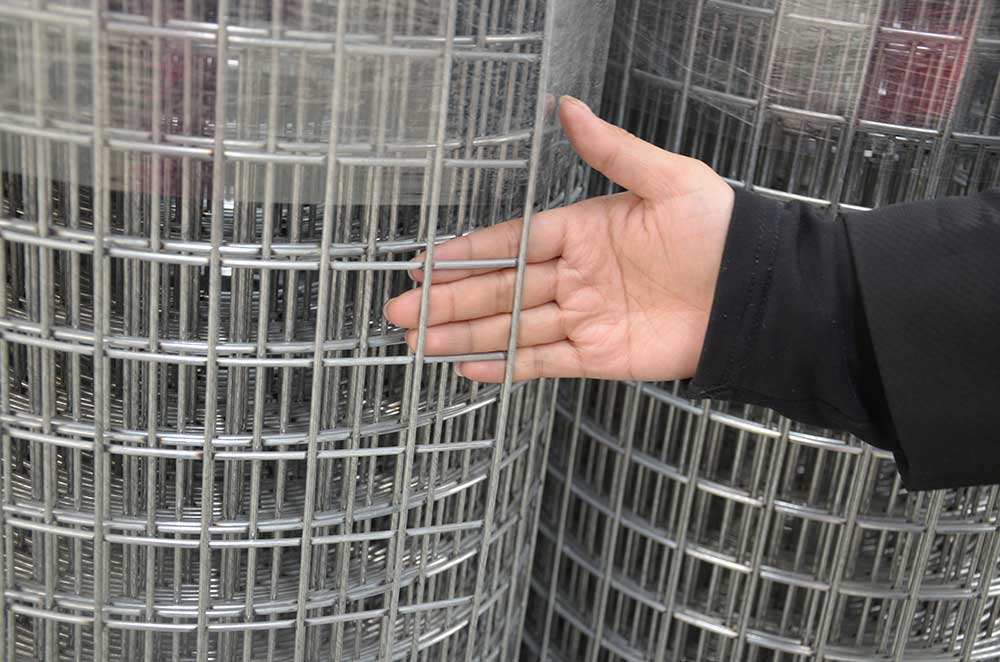
Welded wire mesh is a rigid metal mesh made by welding inpidual longitudinal and transverse wires together at their intersections.
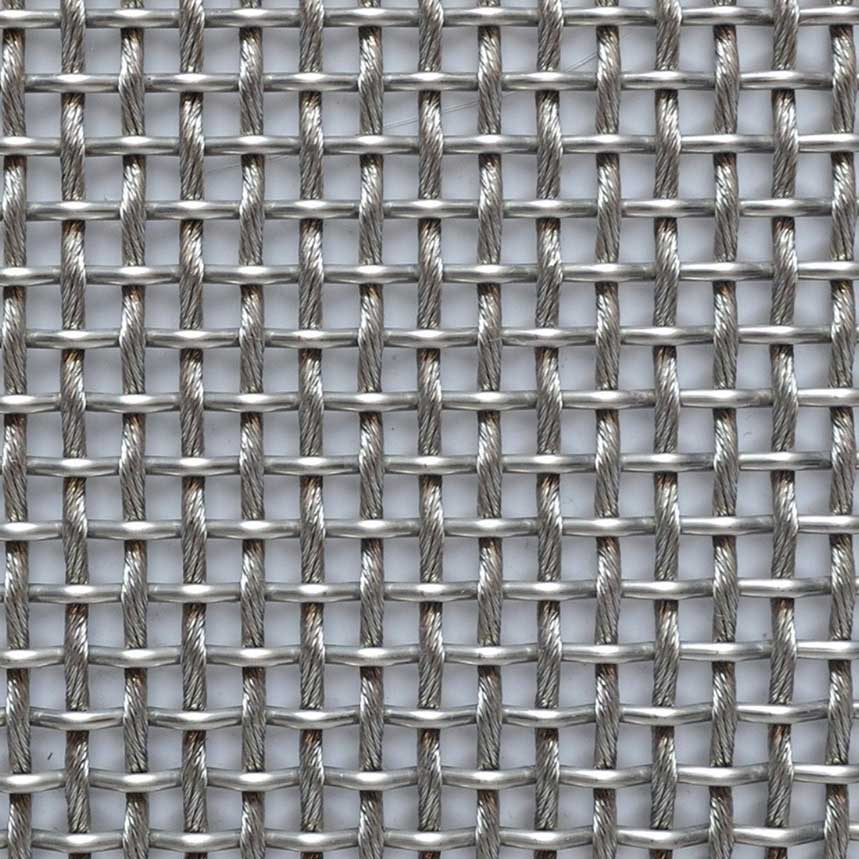
Unlike woven wire mesh, which is formed by interlocking wires, welded wire mesh has fixed welded intersections that create a stable grid pattern.
This simple structure makes welded wire mesh suitable for a wide range of applications, including construction, concrete reinforcement, fencing, animal enclosures, agriculture, industrial protection, partitions, racks, and general fabrication.
Welded wire mesh can be supplied in rolls or panels, and can be manufactured from galvanized steel, PVC-coated steel, stainless steel, or other wire materials according to the project requirements.
For contractors, distributors, fabricators, engineers, and project buyers, the most important factors are usually mesh opening, wire diameter, sheet or roll dimensions, material, coating, welding quality, and application.
What Is Welded Wire Mesh?
Welded wire mesh is a grid-shaped metal mesh manufactured by welding horizontal and vertical wires together at their crossing points.
The welding creates a rigid and stable structure.
Common mesh patterns include:
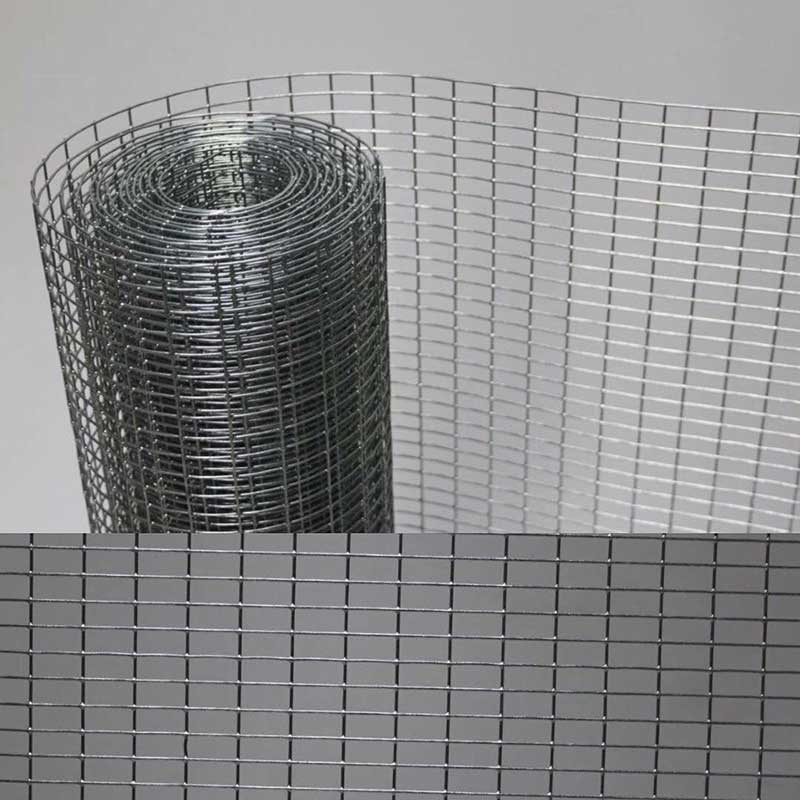
Square openings
Rectangular openings
Heavy-duty welded grids
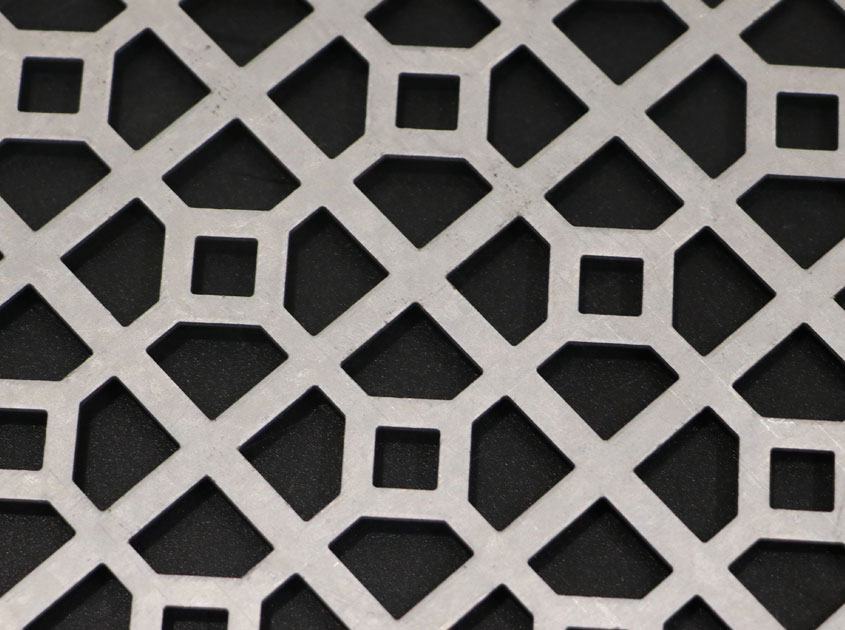
Custom opening patterns
Compared with woven wire mesh, welded wire mesh generally maintains its shape more effectively when cut or handled.
This makes it particularly useful for applications where a clean, rigid grid is required.
How Is Welded Wire Mesh Made?
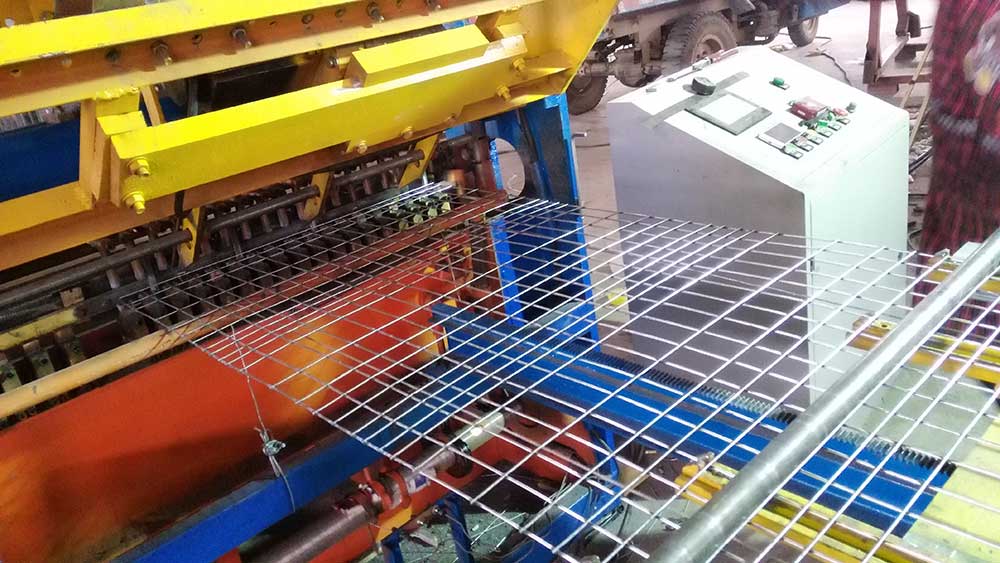
The manufacturing process is relatively straightforward but requires accurate wire feeding and welding control.
Step 1: Wire Preparation
Steel wire is drawn or prepared to the required diameter.
The wire diameter is selected according to the finished mesh specification.
Step 2: Wire Feeding
Longitudinal wires and cross wires are positioned according to the required mesh opening.
Step 3: Resistance Welding
The crossing wires are welded together at regular intervals.
This creates the characteristic rigid grid structure.
Step 4: Mesh Formation
The welded mesh is produced continuously or in inpidual panels depending on the production line.
Step 5: Cutting
Panel products are cut to the required length and width.
Roll products are wound into specified roll lengths.
Step 6: Surface Treatment
Depending on the product, the mesh may be galvanized, PVC coated, or manufactured from corrosion-resistant stainless steel wire.
Step 7: Inspection and Packing
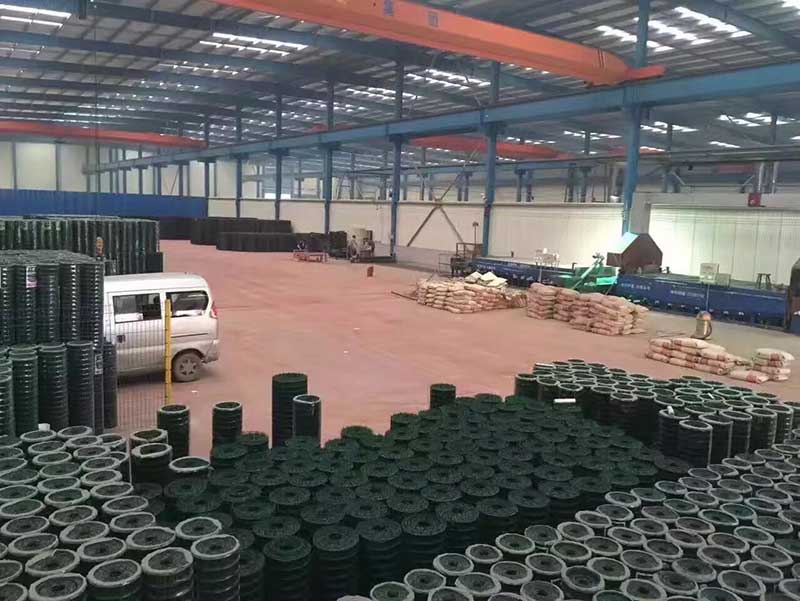
Finished products are checked for dimensions, wire diameter, mesh opening, weld quality, coating, and packaging.

Main Types of Welded Wire Mesh
Welded wire mesh can be classified according to material, coating, shape, and application.
The most common types include:
Galvanized welded wire mesh
PVC coated welded wire mesh
Stainless steel welded wire mesh
Black welded wire mesh
Welded wire mesh rolls
Welded wire mesh panels
Heavy-duty welded wire mesh
Construction welded wire mesh
Welded wire fencing
Livestock and animal welded wire mesh
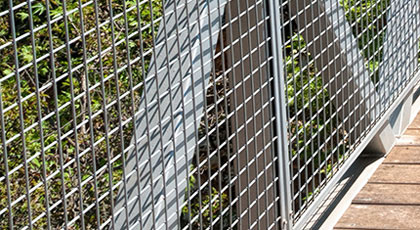
Galvanized Welded Wire Mesh
Galvanized welded wire mesh uses zinc-coated steel wire to provide corrosion protection.
It is one of the most widely used versions for general construction, fencing, agriculture, and industrial applications.
Common applications include:
Fencing
Animal enclosures
Construction
Garden protection
Storage cages
Machine guards
Industrial partitions
Galvanized welded wire mesh can be manufactured using different galvanizing processes depending on the required coating specification.
Galvanized Before Welding
The wire is galvanized before being welded into mesh.
This approach is widely used for general-purpose welded wire mesh.
Galvanized After Welding
The welded mesh is galvanized after the welding process.
This can provide coating coverage over the welded structure and may be selected when enhanced corrosion protection is required.
For project procurement, buyers should confirm the galvanizing process and coating specification instead of comparing products only by the term "galvanized."
PVC Coated Welded Wire Mesh
PVC coated welded wire mesh combines a steel wire core with a protective polymer coating.
It provides a colored decorative surface while adding another protective layer.
Common colors include:
Black
Green
White
Brown
Gray
Custom colors
PVC coated welded wire mesh is frequently used for:
Garden fencing
Residential fencing
Animal enclosures
Landscape projects
Commercial fencing
Decorative barriers
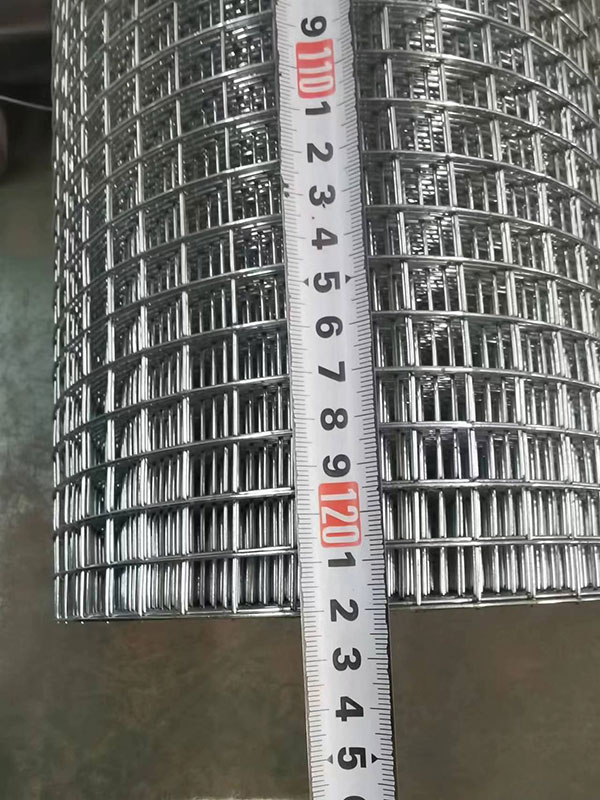
The color can also help the fence blend with landscaping and surrounding architecture.
Stainless Steel Welded Wire Mesh
Stainless steel welded wire mesh is selected when corrosion resistance, durability, and a clean metallic appearance are important.
Common stainless steel grades include:
304
316
Grade selection depends on the environment and project requirements.
Stainless steel welded wire mesh can be used for:
Food processing
Industrial equipment
Chemical environments
Architectural applications
Commercial partitions
Animal enclosures
Machine protection
For coastal environments, chemical exposure, or applications requiring higher corrosion resistance, stainless steel can be considered instead of ordinary carbon steel.
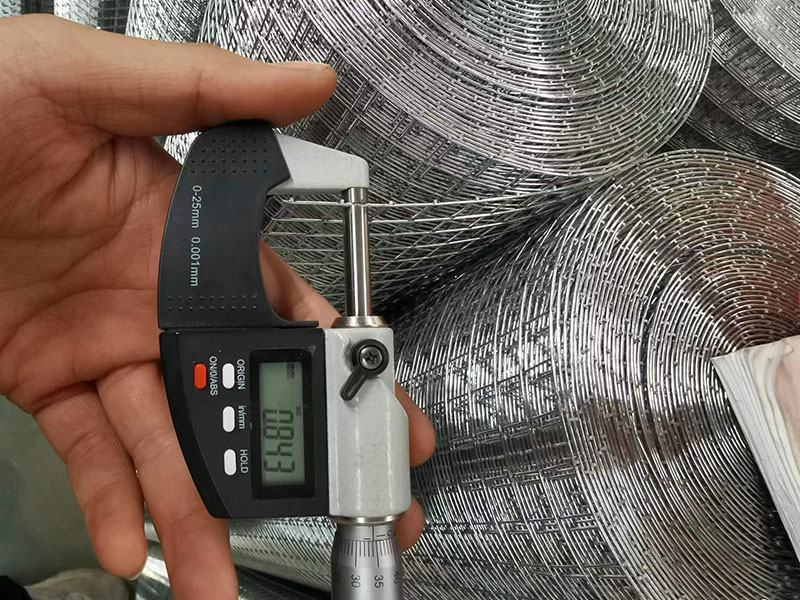
Welded Wire Mesh Roll vs Welded Wire Mesh Panel
One of the first purchasing decisions is whether the mesh should be supplied in rolls or panels.
Feature Welded Wire Mesh Roll Welded Wire Mesh Panel
Form Flexible roll Rigid sheet
Handling Easy to transport in long lengths Easy to position inpidually
Flexibility Higher Lower
Installation Suitable for continuous runs Suitable for fixed sections
Common applications Fencing, agriculture, construction Fencing, partitions, fabrication
Storage Compact Requires more space
Cutting Easy on site Inpidual panels
When Should You Choose a Roll?
Choose a roll when:
Long continuous lengths are required
The installation follows uneven terrain
Easy transportation is important
The mesh will be cut on site
Flexible installation is preferred
When Should You Choose Panels?
Panels are generally preferable when:
A rigid structure is required
Precise dimensions are important
The mesh will be installed in frames
The project uses modular fencing
A clean architectural appearance is desired
Welded Wire Mesh Sizes
Mesh size is one of the most important specifications.
Common openings include:
1/2" × 1/2"
1" × 1"
1" × 2"
2" × 2"
2" × 3"
2" × 4"
4" × 4"
Metric openings are also commonly specified, such as:
12.5 × 12.5 mm
25 × 25 mm
25 × 50 mm
50 × 50 mm
50 × 100 mm
100 × 100 mm
Custom mesh openings can also be manufactured for specific applications.
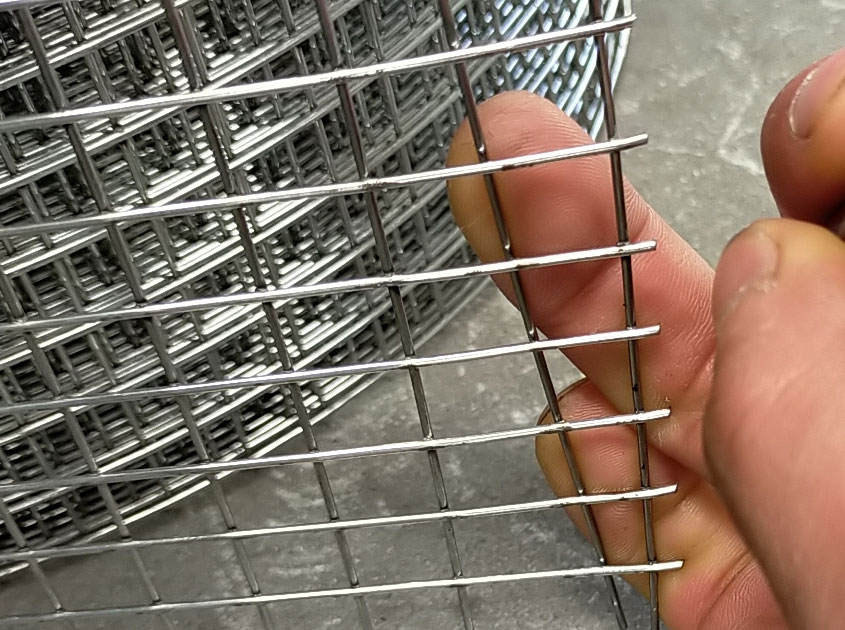
Welded Wire Mesh Wire Diameter
Wire diameter directly affects the strength, weight, rigidity, and cost of welded wire mesh.
Common wire diameters can range from relatively light wires for garden and agricultural applications to heavy wires for industrial fencing and reinforcement.
For international procurement, it is better to specify the actual wire diameter in millimeters or inches rather than relying only on gauge terminology.
For example:
1.6 mm
2.0 mm
2.5 mm
3.0 mm
3.5 mm
4.0 mm
5.0 mm
6.0 mm
Heavy-duty products can use larger wire diameters when required.
Welded Wire Mesh Weight
Mesh weight depends primarily on:
Wire diameter
Mesh opening
Roll or panel dimensions
Material density
Coating
A smaller opening combined with a thicker wire normally produces a heavier mesh.
For buyers comparing supplier quotations, it is important to compare the complete specification rather than comparing the price per roll alone.
A cheaper roll may contain:
Less wire
Smaller dimensions
Lower coating weight
Shorter roll length
Smaller wire diameter
Therefore, professional buyers should compare price per square meter, square foot, kilogram, or complete specified unit when appropriate.
Welded Wire Mesh for Construction
Construction is one of the most important applications of welded wire mesh.
It can be used for:
Concrete reinforcement
Wall reinforcement
Slab reinforcement
Floor reinforcement
Construction barriers
Temporary protection
Material support
For reinforcement applications, the product specification must be determined according to the structural design and applicable building requirements.
Construction reinforcement mesh should not be selected simply according to general fencing specifications.
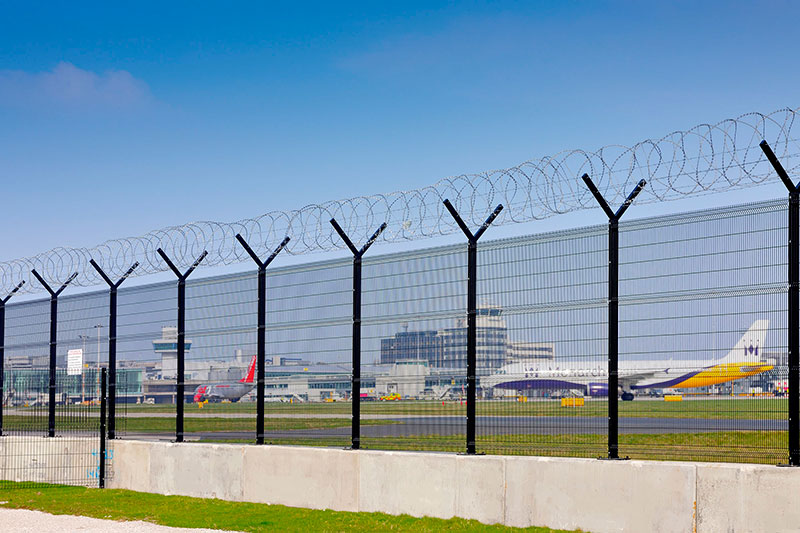
Welded Wire Mesh for Concrete Reinforcement
Welded reinforcement mesh provides a regular grid of steel wires that can be incorporated into concrete structures.
Potential applications include:
Concrete slabs
Floors
Walls
Pavements
Foundations
Precast concrete
Industrial floors
The required wire diameter, spacing, sheet dimensions, steel grade, and structural design depend on the engineering requirements of the project.
For structural applications, the final specification should always follow the project engineer's design and applicable local standards.
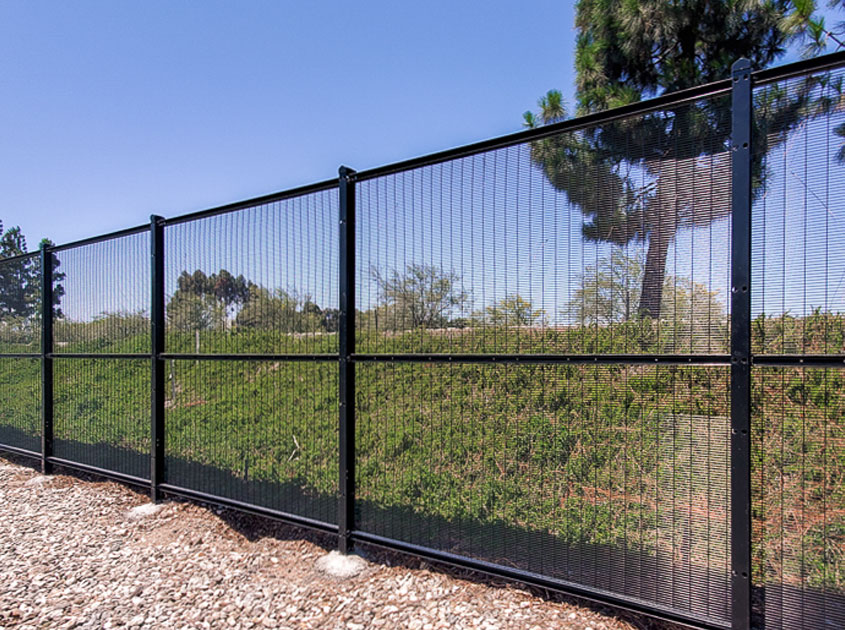
Welded Wire Mesh for Fencing
Welded wire mesh is also widely used as a fencing material.
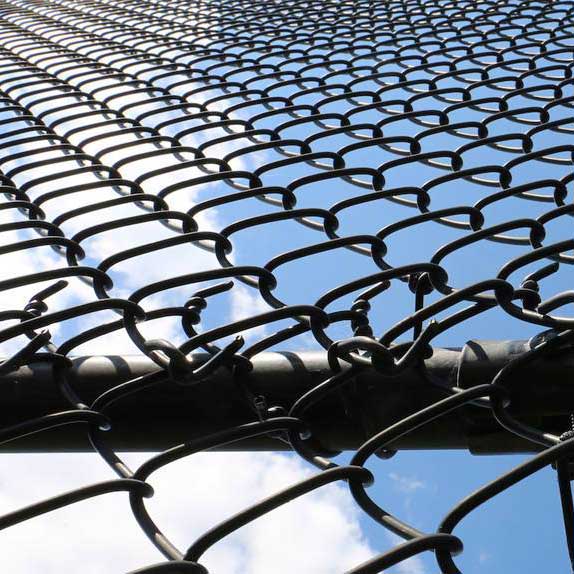
Compared with chain link fencing, welded wire fence has a rigid square or rectangular grid.
Typical applications include:
Residential fencing
Garden fencing
Commercial properties
Industrial facilities
Construction sites
Schools
Parks
Animal enclosures
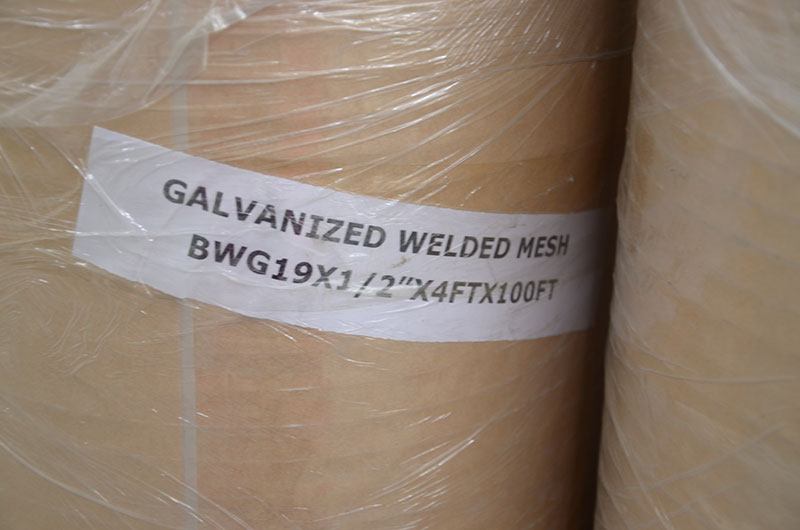
The rigid structure can create a clean and modern appearance, making welded wire fencing popular for contemporary residential and commercial projects.
Welded Wire Mesh for Gardens and Landscaping
Garden and landscaping projects often require a fence that is functional but visually lightweight.
Welded wire mesh can be used for:
Garden boundaries
Plant protection
Tree protection
Raised garden structures
Compost areas
Small animal enclosures
Landscape partitions
PVC-coated black or green welded wire can blend naturally with plants and landscaping.
Welded Wire Mesh for Animal Enclosures
Welded wire mesh is widely used for animal containment and farm applications.
Depending on the animal and required containment level, applications can include:
Poultry cages
Rabbit enclosures
Dog kennels
Small livestock areas
Pet enclosures
Agricultural partitions
Mesh opening and wire diameter must be selected according to the animal size.
A smaller animal may require a smaller opening to prevent escape or injury.
Heavy Duty Welded Wire Mesh
Heavy-duty welded wire mesh is designed for applications requiring increased rigidity and mechanical strength.
It typically uses:
Thicker wire
Smaller or medium mesh openings
Strong welded intersections
Heavier supporting structures
Potential applications include:
Industrial security
Machine guards
Storage cages
Heavy-duty partitions
Warehouse protection
Equipment enclosures
Industrial fencing
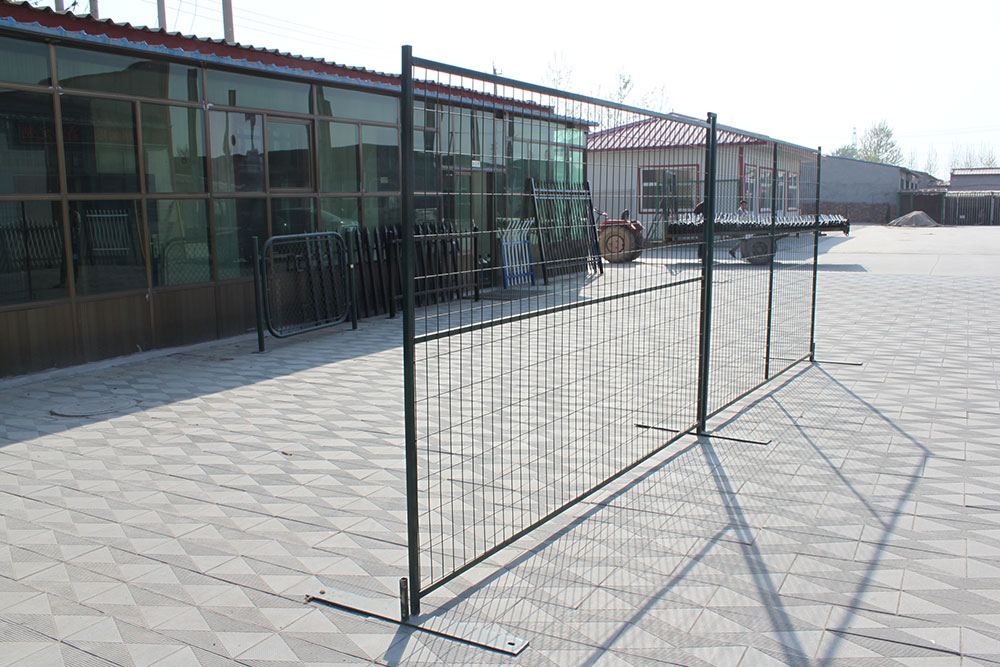
Welded Wire Mesh for Industrial Applications
Industrial facilities can use welded wire mesh for both security and internal organization.
Typical applications include:
Machine guards
Safety barriers
Warehouse partitions
Storage cages
Equipment protection
Restricted-access areas
Material handling areas
The rigid mesh allows manufacturers to fabricate panels, cages, doors, and custom structures.
Welded Wire Mesh for USA and Canada
The North American market uses welded wire mesh across residential, commercial, agricultural, construction, and industrial applications.
For USA and Canada projects, buyers may specify dimensions using:
Inches
Feet
Gauge
Pounds
Square feet
At the same time, manufacturers exporting internationally should be prepared to provide metric specifications.
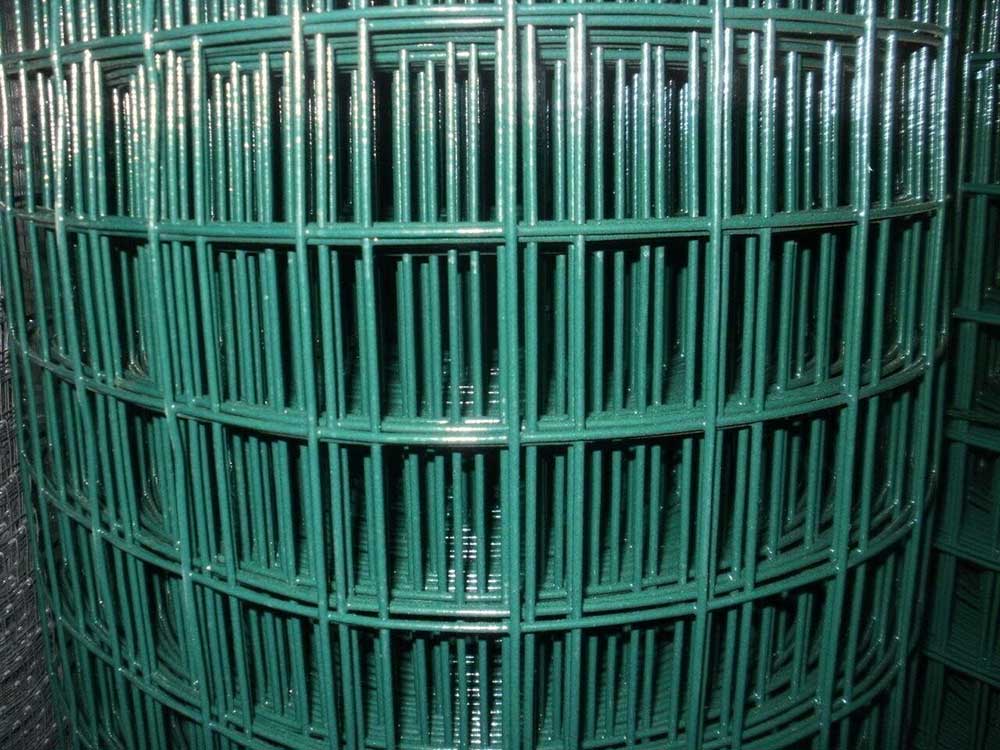
For North American residential and landscaping applications, black and green PVC-coated welded wire are often attractive choices because they combine a rigid grid with a less industrial appearance.
Welded Wire Mesh for the Middle East
The Middle East provides a strong market for welded wire mesh in:
Construction
Industrial facilities
Warehouses
Residential compounds
Agriculture
Landscaping
Security fencing
Animal enclosures
Infrastructure projects
For outdoor projects, buyers should consider the local environmental conditions.
These may include:
High temperatures
Strong sunlight
Dust
Humidity
Coastal salt exposure
Sand
Industrial environments
Galvanized and PVC-coated products can be considered depending on the application and required corrosion protection.
Welded Wire Mesh for Coastal Areas
Coastal environments require greater attention to corrosion protection.
This applies to locations in:
Florida
California
British Columbia
The Gulf region
UAE
Oman
Qatar
Other coastal areas
Potential material choices include:
Heavily galvanized steel
PVC-coated galvanized steel
Stainless steel
The appropriate option depends on the expected service environment, project life, budget, and maintenance requirements.
Welded Wire Mesh vs Chain Link Fence
Both products are widely used for fencing, but their structures are different.
Feature Welded Wire Mesh Chain Link Fence
Structure Welded grid Woven diamond mesh
Shape Square/rectangular Diamond
Rigidity High Flexible
Appearance Modern geometric Traditional fence appearance
Roll availability Yes Yes
Panel availability Very common Less common
Terrain adaptability Moderate High
Fabrication Easy to fabricate More flexible
Typical applications Residential, industrial, animal, construction Residential, commercial, industrial, sports
Welded wire mesh is often preferred when a rigid, clean grid is desired.
Chain link fencing is often advantageous when flexibility and long continuous fence runs are important.
Welded Wire Mesh vs Expanded Metal
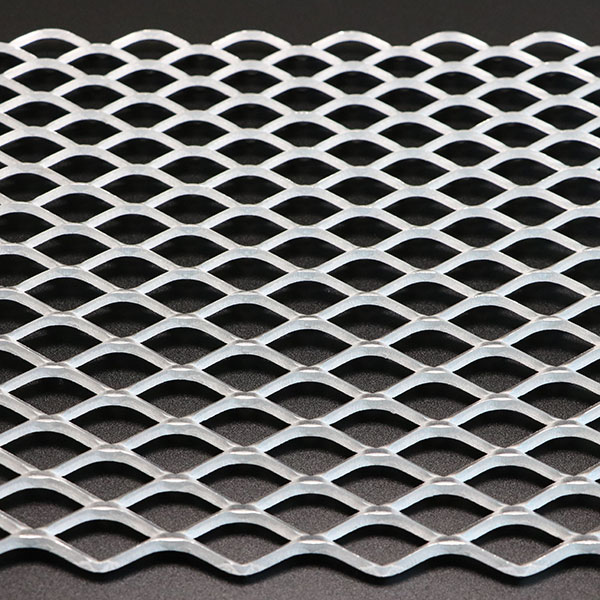
Expanded metal is produced by cutting and stretching metal sheets to form an interconnected pattern.
Welded wire mesh, in contrast, is produced from inpidual wires welded at intersections.
Feature Welded Wire Mesh Expanded Metal
Raw material Wire Metal sheet
Manufacturing Welding Cutting and expanding
Pattern Square/rectangular Diamond or other patterns
Weight Depends on wire Depends on sheet thickness
Flexibility Moderate Low to moderate
Common use Fencing, reinforcement, cages Screens, guards, architectural applications
The right product depends on the structural and visual requirements of the project.
How to Choose the Right Welded Wire Mesh
Before ordering welded wire mesh, define the following:
1. Application
Is it for:
Construction?
Fencing?
Animal containment?
Garden protection?
Industrial security?
Concrete reinforcement?
Fabrication?
2. Mesh Opening
Choose the opening according to the required containment, strength, visibility, and application.
3. Wire Diameter
Select the wire diameter according to the required rigidity and load conditions.
4. Material
Common options include:
Galvanized steel
PVC-coated steel
Stainless steel
Black steel
5. Roll or Panel
Determine whether the project requires flexible rolls or rigid panels.
6. Dimensions
Specify:
Mesh width
Mesh height
Roll length
Panel length
Panel width
7. Coating
For galvanized products, specify the required zinc coating.
For PVC-coated products, specify:
Color
Core wire
Finished diameter
Coating requirements
Welded Wire Mesh Specification Table
Specification Common Options
Product Welded Wire Mesh
Material Galvanized steel, PVC coated steel, stainless steel, black steel
Mesh opening Square or rectangular
Wire diameter Approximately 1.6–6.0 mm and custom
Form Roll or panel
Width Custom
Length Custom
Color Silver, black, green, white, brown and custom
Surface Galvanized, PVC coated, stainless steel or black
Application Fencing, construction, agriculture, animal, industrial
Packaging Roll, pallet or customized
Actual specifications should be confirmed according to the final project requirements.
Custom Welded Wire Mesh Manufacturing
A professional welded wire mesh manufacturer can customize the product according to the buyer's requirements.
Customization may include:
Wire diameter
Mesh opening
Roll width
Roll length
Panel size
Material
Zinc coating
PVC color
Welding configuration
Edge treatment
Packaging
For large projects, buyers can provide drawings, specifications, quantity schedules, or project requirements for quotation.
Welded Wire Mesh Quality Control
For B2B projects, quality control should focus on the actual product specification.
Important inspection points include:
Wire diameter
Mesh opening
Roll or panel dimensions
Weld strength
Weld spacing
Zinc coating
PVC coating
Surface finish
Packaging
For large orders, buyers may also request:
Product samples
Factory inspection
Third-party inspection
Material certificates
Coating test reports
Production photographs
Welded Wire Mesh Packaging and Export
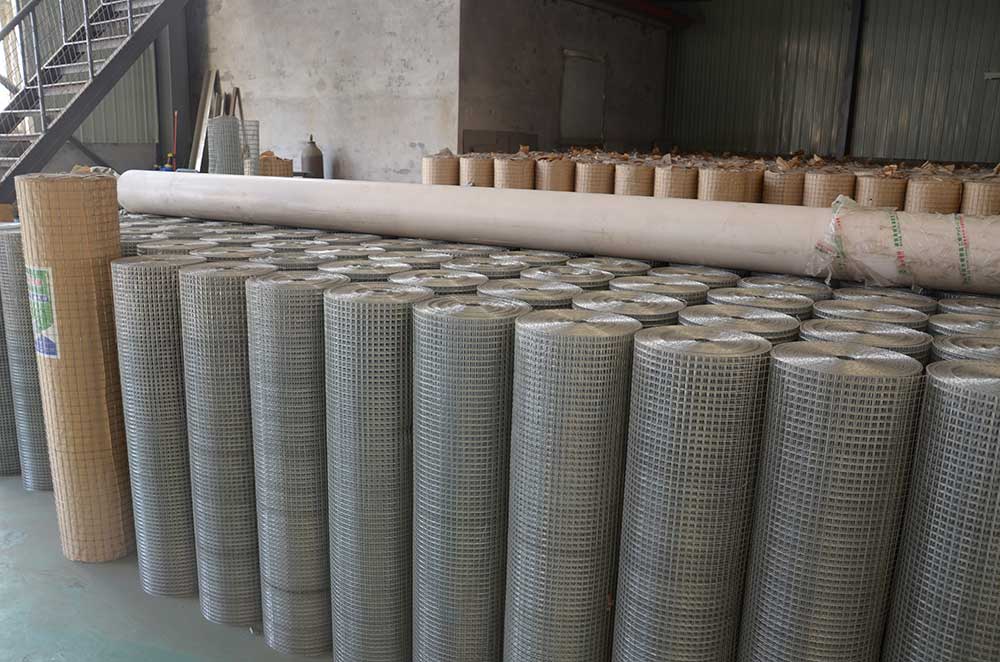
Welded wire mesh can be packaged differently depending on whether it is supplied as rolls or panels.
Rolls may be:
Wrapped with waterproof paper
Wrapped with plastic film
Packed on pallets
Loaded directly into containers
Panels can be:
Bundled
Palletized
Protected with plastic
Secured for container transportation
For export projects, packaging should protect the mesh from moisture, deformation, contamination, and handling damage.
Welded Wire Mesh for Contractors and Distributors
For distributors, welded wire mesh is attractive because one product category can serve multiple markets.
A distributor may stock:
Residential Products
Small mesh
Light wire
Black PVC coating
Green PVC coating
Construction Products
Galvanized mesh
Reinforcement mesh
Standard rolls and panels
Industrial Products
Heavy wire
Smaller openings
Rigid panels
Machine guards
Agricultural Products
Larger openings
Galvanized wire
PVC-coated wire
Custom rolls
This allows one supplier relationship to support multiple downstream applications.
Frequently Asked Questions
What is welded wire mesh used for?
Welded wire mesh is used for fencing, construction, concrete reinforcement, animal enclosures, garden protection, industrial guards, partitions, storage cages, and many other applications.
What is the difference between welded wire mesh and woven wire mesh?
Welded wire mesh has welded intersections, while woven wire mesh is formed by interlocking wires.
Welded mesh is generally more rigid, while woven mesh can provide greater flexibility.
Is welded wire mesh available in rolls?
Yes. Welded wire mesh can be manufactured in rolls as well as rigid panels.
What is galvanized welded wire mesh?
It is welded wire mesh manufactured using zinc-coated steel wire or galvanized after welding, depending on the manufacturing process.
What colors are available for PVC coated welded wire mesh?
Black and green are common choices, while white, brown, gray, and custom colors can also be considered depending on the product and coating process.
Can welded wire mesh be used for fencing?
Yes. Welded wire mesh is widely used for residential, commercial, industrial, garden, agricultural, and animal fencing.
Can welded wire mesh be used for concrete reinforcement?
Yes, welded reinforcement mesh is used in many concrete applications, but structural specifications must be determined according to engineering requirements and applicable local standards.
Can welded wire mesh be customized?
Yes. Mesh opening, wire diameter, dimensions, material, coating, color, roll length, panel size, and packaging can be customized for project orders.
Is welded wire mesh suitable for Middle Eastern climates?
Yes, but the material and coating should be selected according to the actual environment, especially for coastal, humid, or industrial locations.
Is welded wire mesh suitable for USA and Canada?
Yes. It is widely applicable to residential, commercial, agricultural, construction, landscaping, and industrial projects across North America.
Welded Wire Mesh Manufacturer for Global Projects
Welded wire mesh is a versatile metal mesh product that can be adapted to a wide range of applications.
For fencing, its rigid grid provides a clean and modern alternative to woven chain link.
For construction, it can be manufactured as reinforcement mesh according to engineering requirements.
For agriculture and animal applications, different mesh openings and wire diameters can be selected according to the required containment.
For industrial applications, heavy-duty welded wire mesh can be fabricated into guards, cages, partitions, and equipment enclosures.
The right product should always be selected according to application, mesh opening, wire diameter, material, coating, dimensions, and environmental conditions.
Request a Welded Wire Mesh Quote
For an accurate quotation, provide:
Mesh Opening + Wire Diameter + Width/Height + Roll or Panel + Material + Coating + Color + Quantity + Application + Destination
Our team can recommend a suitable welded wire mesh specification and provide customized manufacturing and export solutions for your project.
Request a Custom Welded Wire Mesh Quote →
prev:Stainless Steel Wire Mesh Types, Grades and Applications Guide
next:304 vs 316 Stainless Steel Wire Mesh: Differences, Applications and Buying Guide


.jpg "Duplex Stainless Steel Wire Mesh UNS S31803(S32205)")