2026-06-09
Welded wire mesh is one of the most widely used materials in modern construction, agriculture, industrial protection, and architectural engineering. It is valued for its strength, durability, cost-effectiveness, and versatility. From concrete reinforcement and fencing systems to cages, partitions, and security structures, welded wire mesh plays an essential role in many global infrastructure projects.
However, selecting the right welded wire mesh is not always simple. Different wire diameters, mesh openings, coating types, and application requirements can significantly affect performance and cost. Choosing the wrong specification may lead to reduced durability or unnecessary expenses.
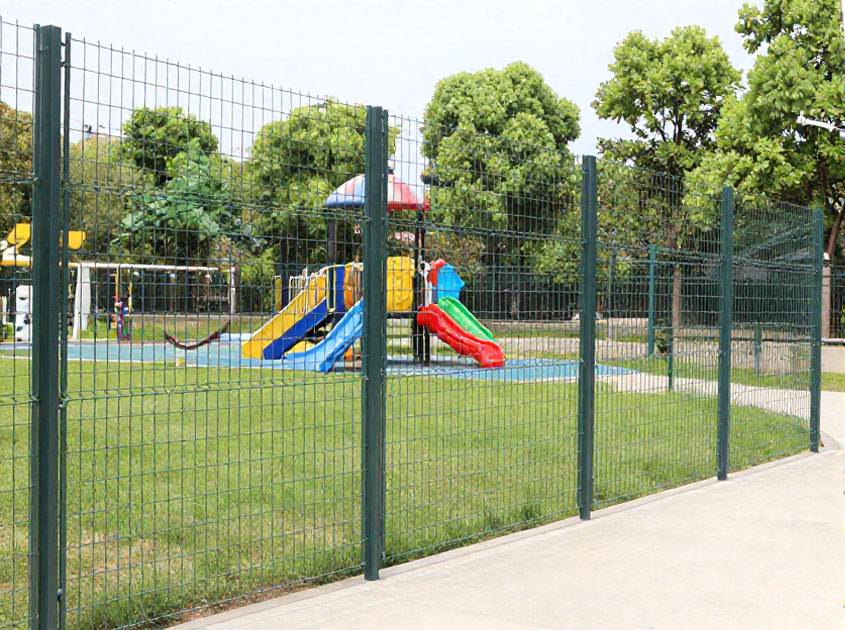
This guide explains how to choose welded wire mesh for your project, covering key factors such as material type, coating, mesh size, wire diameter, and application scenarios.
What Is Welded Wire Mesh?
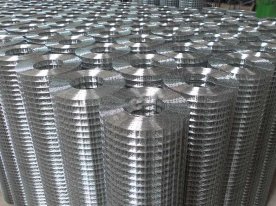
Welded wire mesh is a grid-like metal product made by welding steel wires at their intersection points using electric fusion welding. This structure creates a strong and stable mesh panel or roll.
Common materials include:
Low carbon steel wire
Galvanized steel wire
Stainless steel wire
It is widely used in:
Construction reinforcement
Fencing systems
Industrial safety barriers
Agricultural applications
Architectural design
Step 1: Define Your Project Application
The first and most important step in choosing welded wire mesh is understanding the application.
Construction and Concrete Reinforcement
For construction projects, welded wire mesh is used to reinforce concrete slabs, walls, and roads.
Key requirements:
High tensile strength
Accurate mesh spacing
Strong weld joints
Fencing and Security Systems
For fencing applications, welded wire mesh is used in:
Residential fencing
Industrial security fences
Airport and infrastructure protection
Key requirements:
Corrosion resistance
Strong structure
Anti-climb design (optional)
Agricultural Use
Used in:
Animal cages
Farm fencing
Crop protection
Key requirements:
Flexibility
Weather resistance
Cost efficiency
Industrial and Storage Protection
Used for:
Machine guards
Warehouse partitions
Safety enclosures
Key requirements:
High strength
Long service life
Step 2: Choose the Right Wire Diameter
Wire diameter directly affects strength and durability.
Thin Wire (0.8mm – 2.0mm)
Best for:
Light fencing
Small animal cages
Decorative applications
Advantages:
Flexible
Cost-effective
Medium Wire (2.0mm – 4.0mm)
Best for:
Residential fencing
General-purpose industrial use
Agricultural fencing
Advantages:
Balanced strength and cost
Thick Wire (4.0mm and above)
Best for:
Security fencing
Heavy-duty industrial protection
Construction reinforcement
Advantages:
High strength
Long lifespan
Step 3: Select Mesh Opening Size
Mesh opening size affects security, visibility, and structural performance.
Small Openings (6mm – 25mm)
Used for:
Security cages
Anti-theft protection
Precision filtration applications
Advantages:
High security
Strong containment
Medium Openings (25mm – 75mm)
Used for:
Fencing
Animal enclosures
General construction
Advantages:
Balanced visibility and strength
Large Openings (75mm and above)
Used for:
Agricultural fencing
Large area separation
Decorative structures
Advantages:
Cost-effective
Better visibility
Step 4: Choose Surface Treatment
Surface treatment determines corrosion resistance and lifespan.
Galvanized Welded Wire Mesh
Galvanized mesh is coated with zinc to prevent rust.
Types:
Electro galvanized (light protection)
Hot-dip galvanized (strong protection)
Best for:
Outdoor fencing
Construction use
General industrial applications
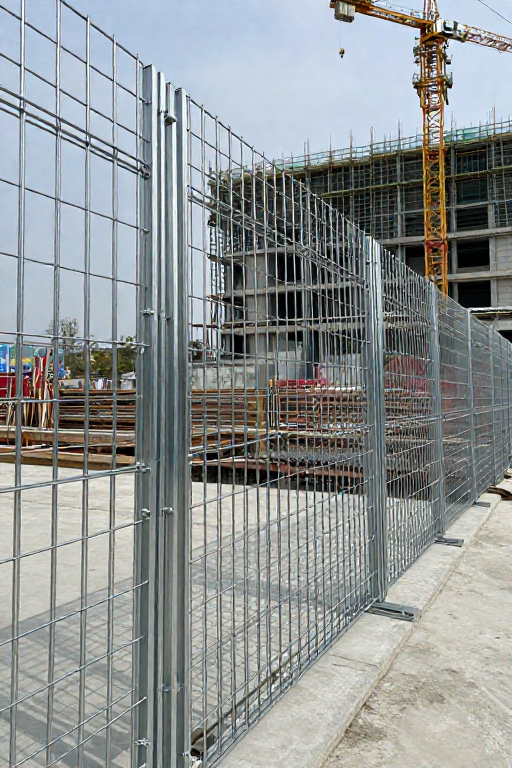
PVC Coated Welded Wire Mesh
PVC coating adds an extra protective layer over galvanized wire.
Advantages:
Strong corrosion resistance
Attractive appearance
Color options (green, black, white)
Best for:
Residential fencing
Garden fencing
Decorative applications
Stainless Steel Welded Wire Mesh
Made entirely from stainless steel.
Advantages:
Maximum corrosion resistance
Long lifespan
High strength
Best for:
Marine environments
Chemical industries
High-end architectural projects
Step 5: Consider Load and Strength Requirements
For structural applications, strength is critical.
Reinforcement Applications
Require:
High tensile strength
Precise welding points
Uniform spacing
Fencing Applications
Require:
Flexibility
Impact resistance
Anti-deformation ability
Step 6: Choose Panel or Roll Type
Welded wire mesh is available in two main forms:
Wire Mesh Rolls
Best for:
Large area fencing
Agricultural use
Flexible installation
Advantages:
Easy transport
Cost-efficient
Wire Mesh Panels
Best for:
Industrial fencing
Security systems
Construction reinforcement
Advantages:
Strong structure
Easy installation alignment
Step 7: Evaluate Environmental Conditions
Environmental factors affect product lifespan.
Dry Climate
Standard galvanized mesh is sufficient
Humid or Coastal Areas
PVC coated or stainless steel mesh recommended
Industrial or Chemical Areas
Stainless steel mesh is required
Advantages of Welded Wire Mesh
High Strength Structure
Welded joints create a rigid and stable grid structure.
Long Service Life
Proper coating ensures long-term outdoor durability.
Cost Efficiency
Compared with solid metal structures, welded wire mesh offers excellent cost-performance balance.
Easy Installation
Lightweight panels and rolls simplify construction and installation.
Why Global Buyers Choose Chinese Welded Wire Mesh
China is one of the leading global suppliers of welded wire mesh due to:
Advanced automated welding technology
Large-scale production capacity
Competitive export pricing
Custom manufacturing capabilities
Strong international logistics support
Chinese manufacturers supply welded wire mesh for:
Infrastructure projects
Industrial construction
Agricultural systems
Global fencing markets
What Professional Manufacturers Can Provide
Reliable suppliers offer:
Custom Production
Wire diameter customization
Mesh size adjustment
Panel or roll format options
Quality Control
Welding strength testing
Zinc coating inspection
Dimensional accuracy control
Export Services
Secure packaging
Container loading optimization
Technical documentation support
Conclusion
Choosing the right welded wire mesh for your project requires careful consideration of application type, wire diameter, mesh size, coating method, and environmental conditions. Whether used for construction reinforcement, security fencing, agricultural protection, or industrial applications, selecting the correct specification ensures long-term performance and cost efficiency.
As a professional Chinese welded wire mesh manufacturer and exporter, providing customized mesh solutions with advanced production technology and global project experience helps contractors, distributors, and developers achieve reliable, durable, and high-performance results for worldwide projects.
prev:PVC Coated Chain Link Fence: Benefits and Applications
next:What Is Chain Link Fence Used For in Industrial and Agricultural Projects?
.png "Qunkun Metal - China wire mesh manufacturer")


.jpg "Duplex Stainless Steel Wire Mesh UNS S31803(S32205)")