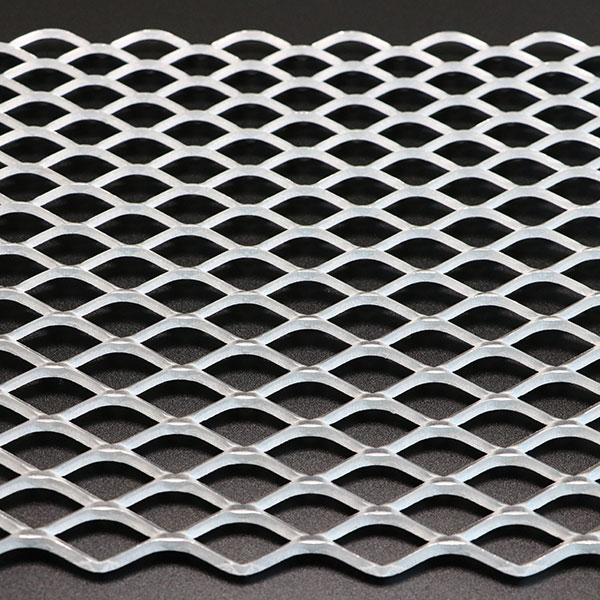
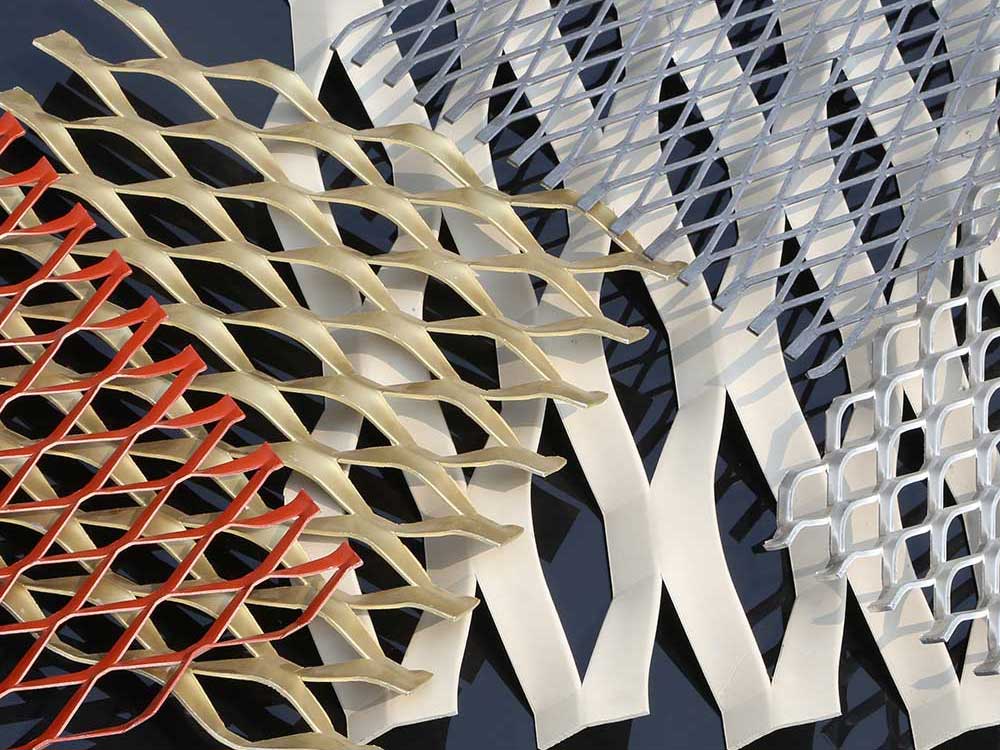
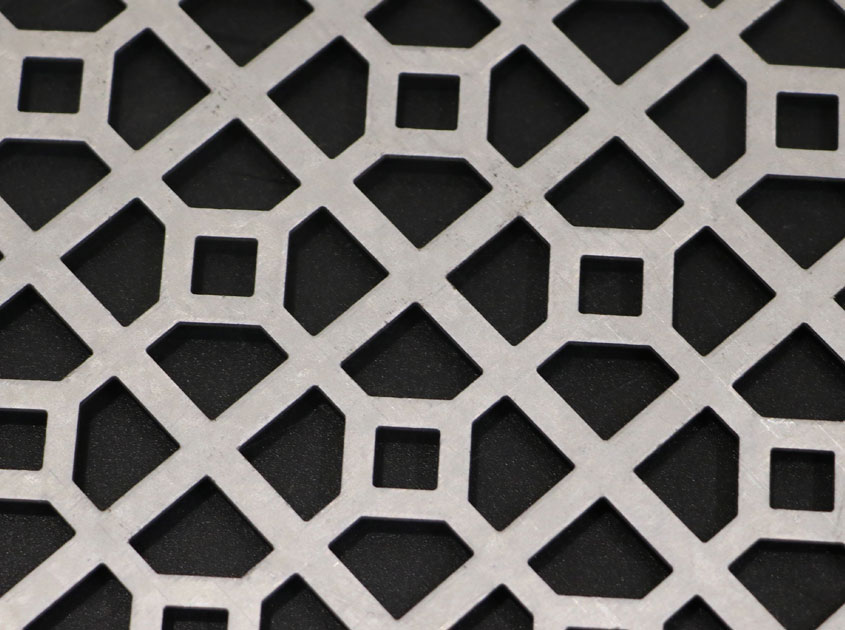
The hexagonal expanded metal mesh is evolved from the diamond-shaped expanded metal mesh changing the production mold. Due to the large angle between the bevel and straight sides of the hexagonal expanded metal mesh, the tougher metal plate is used when producing the hexagonal expanded metal mesh, but due to its unique physical structure , While the hexagonal expanded metal mesh has the properties of the diamond expanded expanded metal mesh, it also has the following characteristics: high toughness, strong impact resistance, strong structure, and beautiful appearance.
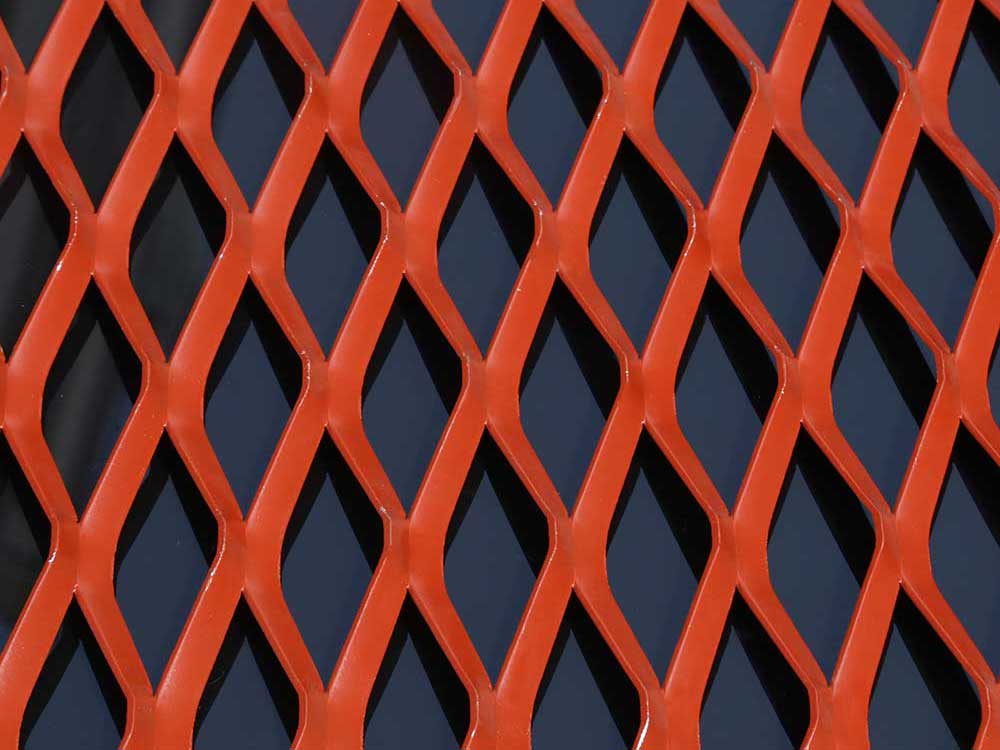
Features: Bright color, no rust, and durable. Hexagonal expanded metal mesh is also called tortoise expanded metal mesh, equivalent stalk expanded expanded metal mesh, and isosceles expanded expanded metal mesh.
The hexagonal expanded metal mesh is formed by punching and drawing of high-quality steel plates, and the surface is dyed and galvanized, with bright color, no rust and durability.
Material: ordinary carbon steel plate, aluminum plate, stainless steel plate, aluminum-magnesium alloy plate, copper plate, nickel plate
Wait.
Uses: used in many fields, such as workshops, ships, suspended ceilings, floors, walkways, treads, trench covering, transmission and crane sides, fences, etc.
.png "Qunkun® Metal - China wire mesh manufacturer")


.jpg "Duplex Stainless Steel Wire Mesh UNS S31803(S32205)")