2026-03-13
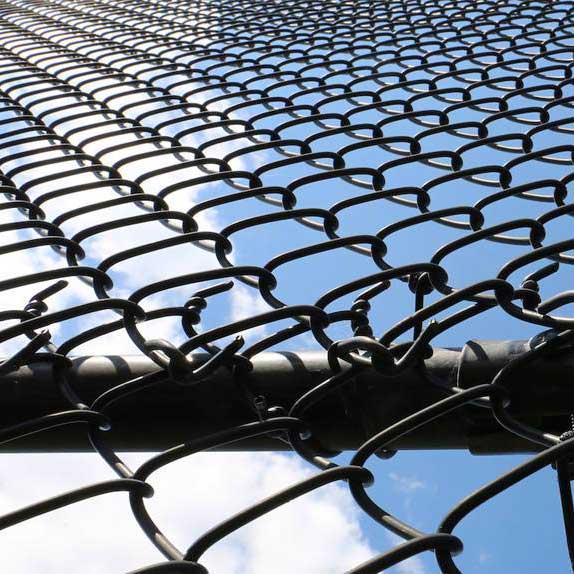
Outdoor chain link fences are one of the most widely used fencing solutions across residential, commercial, and industrial applications. Their popularity comes from their strength, affordability, and versatility. However, to ensure these fences withstand harsh weather conditions and last for decades, manufacturers, distributors, and end-users must understand the key factors affecting durability. As a professional Chinese wire mesh manufacturer with a specialized international export platform, we provide a detailed guide to enhancing the lifespan of outdoor chain link fences.
1. Choosing the Right Material
The foundation of a durable fence starts with selecting the appropriate material:
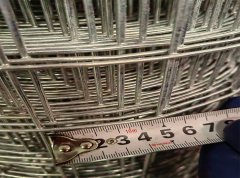
Galvanized Steel Wire – Offers excellent rust resistance for most climates. Hot-dipped galvanized fencing is particularly effective in preventing corrosion.
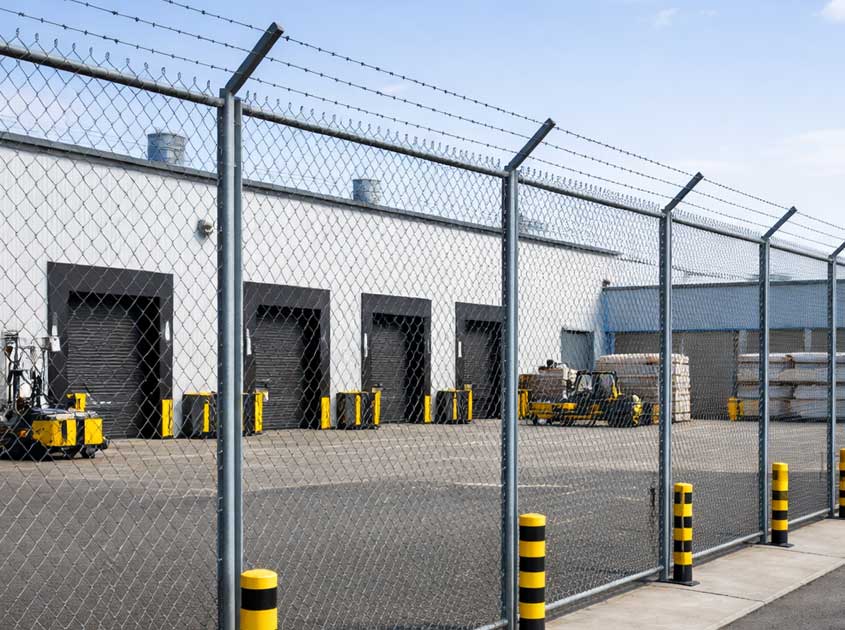
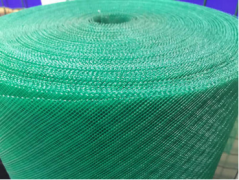
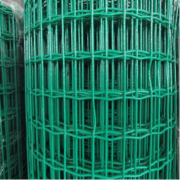
PVC Coated Wire – Provides an extra protective layer over galvanized steel, enhancing resistance to UV radiation, moisture, and scratches.
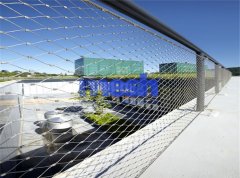
Stainless Steel Wire – Ideal for extremely harsh environments where high corrosion resistance is required, such as coastal areas or industrial sites.
Selecting high-quality raw materials ensures the fence remains structurally sound for years.
2. Optimal Wire Diameter and Mesh Size
Durability is closely tied to the wire gauge and mesh dimensions:
Wire Diameter – Thicker wires provide higher tensile strength and are less prone to deformation. Common diameters for outdoor fences range from 2.5mm to 4.0mm.
Mesh Size – Smaller mesh openings improve resistance against intrusions and reduce sagging over time. Standard mesh sizes are 50mm x 50mm or 75mm x 75mm, depending on application.
Choosing the right combination of wire diameter and mesh size balances cost with long-term performance.
3. Post-Coating and Surface Treatment
Surface treatments significantly affect the fence’s lifespan:
Hot-Dip Galvanizing – Coats the wire in zinc, protecting it from oxidation and rust.
Powder Coating or PVC Coating – Adds a color layer that not only enhances aesthetics but also prevents direct exposure to weathering elements.
Chromate or Passivation Treatment – Provides additional corrosion resistance for stainless steel wires.
These treatments are especially critical in high-humidity or coastal regions.
4. Proper Installation Practices
Even the best materials can fail if installation is not done correctly:
Post Foundations – Use concrete to secure posts firmly. Deeply embedded posts prevent leaning and sagging.
Tensioning – Properly stretch the mesh to maintain uniform tension, avoiding loose sections that can deform over time.
Top Rails and Tension Wires – Support horizontal stability, reducing stress on vertical wires and preventing bowing.
Spacing of Posts – Recommended spacing is 2.5–3 meters for standard fences, which enhances structural integrity.
Professional installation ensures maximum stability and longevity.
5. Maintenance for Extended Lifespan
Routine maintenance preserves fence durability:
Regular Cleaning – Remove dirt, debris, and plant growth that may retain moisture.
Inspection – Check for signs of rust, corrosion, or damage at least once a year.
Minor Repairs – Replace damaged wires, tighten loose fittings, and re-coat small rusted areas.
Lubrication – Hinges, gates, and moving parts should be lubricated to prevent wear.
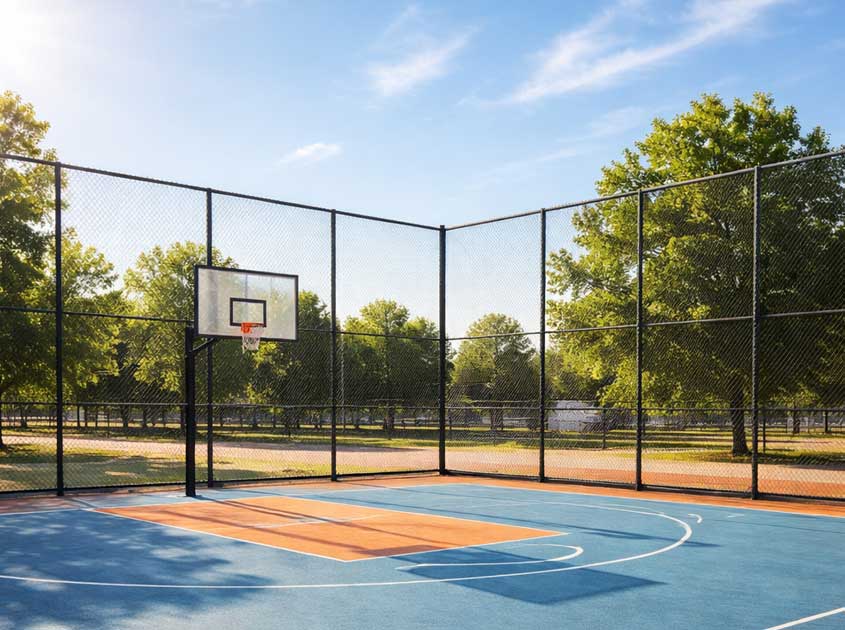
Preventive maintenance reduces major repairs and prolongs service life.
6. Environmental Considerations
Outdoor fences are exposed to various environmental factors:
Coastal Areas – High salt content accelerates corrosion; stainless steel or thick PVC-coated wires are recommended.
Industrial Zones – Exposure to chemicals or pollutants requires chemically resistant coatings.
Extreme Weather – Heavy wind, snow, or UV radiation necessitates stronger posts and high-quality coatings.
Understanding environmental conditions allows for customized material and coating choices.
7. Choosing Reliable Suppliers
Working with a reputable supplier ensures durable products:
Certified Materials – Check for ISO, ASTM, or local quality certifications.
Proven Manufacturing Processes – Hot-dip galvanizing, PVC coating, and wire weaving should follow international standards.
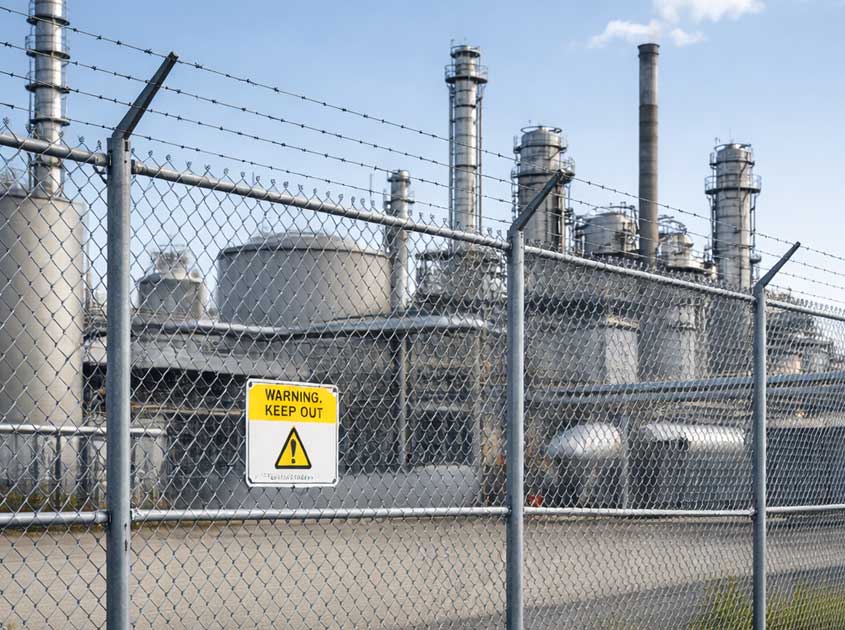
After-Sales Support – Assistance with installation, maintenance advice, and replacement parts enhances long-term performance.
A professional Chinese wire mesh manufacturer can provide both high-quality products and logistical support for global projects.
8. Conclusion
Ensuring the durability of outdoor chain link fences is a combination of selecting the right materials, proper wire diameter and mesh size, high-quality surface treatment, precise installation, and regular maintenance. By considering environmental factors and partnering with a trusted manufacturer, buyers can guarantee their chain link fences remain strong, secure, and aesthetically pleasing for decades. For distributors and project managers in South America, the Middle East, or Europe, investing in durable fencing solutions reduces maintenance costs, enhances safety, and delivers long-term value.
prev:How to Choose Hexagonal Wire Mesh for Poultry and Livestock
next:Packaging and Shipping Tips for Bulk Welded Wire Mesh Orders
.png "Qunkun Metal - China wire mesh manufacturer")


.jpg "Duplex Stainless Steel Wire Mesh UNS S31803(S32205)")