2026-03-13
Hexagonal wire mesh—commonly known as chicken wire—is one of the most widely used fencing and enclosure materials in poultry and livestock farming worldwide. From small backyard poultry farms to large-scale commercial ranches, hexagonal wire mesh offers an excellent balance of flexibility, durability, ventilation, and cost efficiency.
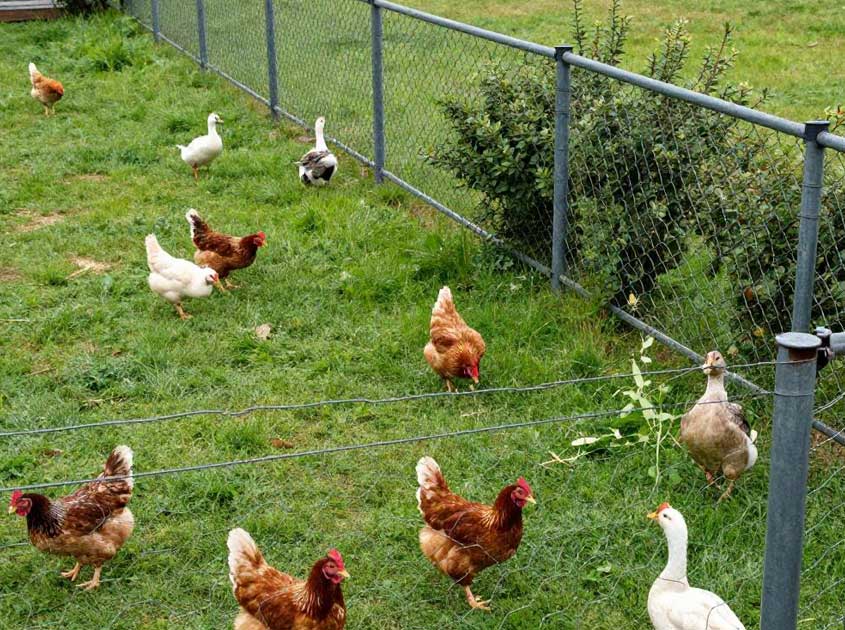
However, not all hexagonal wire mesh is the same. Choosing the right specification is essential to ensure animal safety, long service life, and lower maintenance costs. This article provides a complete buyer-oriented guide on how to choose hexagonal wire mesh for poultry and livestock, written to meet Google AI search standards and real B2B buyer needs.
1. What Is Hexagonal Wire Mesh?
Hexagonal wire mesh is a woven wire mesh with hexagon-shaped openings. Its twisted structure provides:
High flexibility
Resistance to deformation
Good impact absorption
Easy installation on uneven terrain
It is commonly used for:
Poultry enclosures (chickens, ducks, geese)
Livestock fencing (sheep, goats, rabbits)
Garden and farm protection
Temporary animal pens
2. Why Hexagonal Wire Mesh Is Ideal for Poultry and Livestock
Compared with welded mesh or chain link fence, hexagonal wire mesh offers unique advantages for animal farming:
Gentle structure – reduces injury risk to animals
Good airflow and visibility – improves animal health
Lightweight but strong – easy to install and transport
Cost-effective – suitable for large farm areas
These features make it especially popular in South America, Africa, Southeast Asia, and the Middle East.
3. Key Factors to Consider When Choosing Hexagonal Wire Mesh
3.1 Wire Diameter (Wire Gauge)
Wire diameter determines the strength and lifespan of the mesh.
0.5–0.7 mm: Small poultry (chicks, birds), temporary enclosures
0.8–1.0 mm: Standard poultry farms, rabbits
1.2–1.6 mm: Livestock fencing (sheep, goats), long-term outdoor use
Thicker wire provides better durability, especially for active or larger animals.
3.2 Mesh Opening Size
Choosing the right mesh opening size is critical for animal safety.
Common sizes include:
13 mm (1/2 inch) – chicks and small birds
19–25 mm (3/4–1 inch) – chickens and ducks
40–50 mm (1.5–2 inch) – sheep, goats, larger animals
Smaller openings prevent animals from escaping or getting stuck, while larger openings reduce material cost for livestock fencing.
3.3 Material Type
The most common materials for hexagonal wire mesh include:
Galvanized before weaving (GBW) – economical, suitable for dry environments
Galvanized after weaving (GAW) – thicker zinc coating, longer lifespan
PVC coated hexagonal wire mesh – extra corrosion resistance and longer service life
For outdoor farms, galvanized after weaving or PVC coated mesh is strongly recommended.
4. Corrosion Resistance and Climate Considerations
Farm environments are often harsh, with exposure to:
Rain and humidity
Animal waste
Soil and fertilizers
In humid or coastal regions, higher zinc coating or PVC coating significantly extends the service life of the mesh.
Typical lifespan:
GBW: 5–8 years
GAW: 10–15 years
PVC coated: 15–20+ years
Choosing the right corrosion protection reduces replacement and maintenance costs.
5. Roll Size and Installation Efficiency
Hexagonal wire mesh is usually supplied in rolls.
Common roll widths:
0.5 m
1.0 m
1.2 m
1.5 m
Longer rolls reduce joints and installation time. For large farms, customized roll lengths can improve installation efficiency and cost control.
6. Safety and Animal Welfare Considerations
A well-chosen hexagonal wire mesh helps ensure:
No sharp edges or broken wires
Secure enclosure without gaps
Reduced stress and injury risk
Smooth twisting and uniform weaving quality are essential indicators of a reliable product.
7. Packaging and Transportation for Farm Projects
For export orders, proper packaging ensures the mesh arrives in good condition:
Waterproof plastic film wrapping
Palletized rolls for container loading
Clear labeling with size and quantity
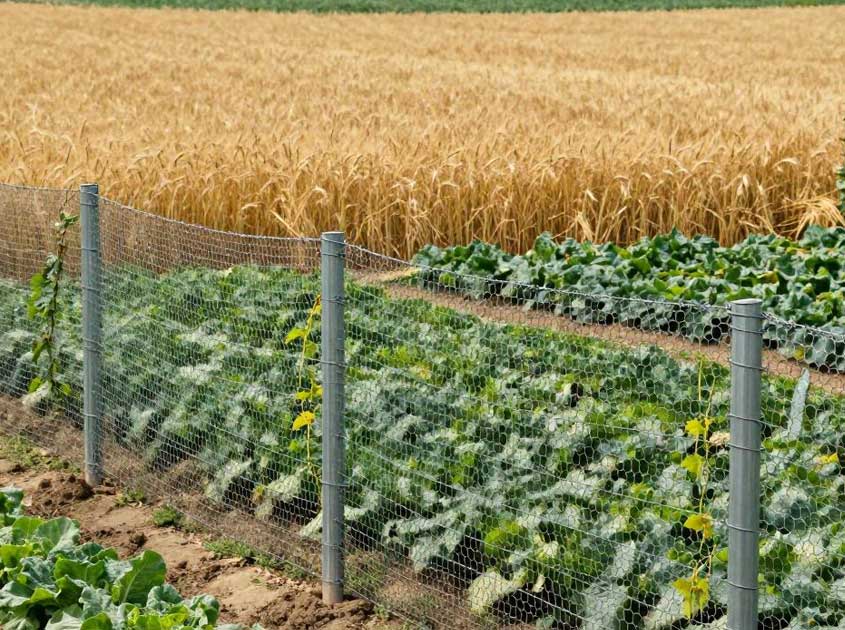
Professional export packaging protects against moisture, deformation, and transport damage.
8. Common Mistakes Buyers Should Avoid
Mistake Result
Choosing wire too thin Short lifespan
Ignoring zinc coating Fast corrosion
Oversized mesh openings Animal escape
No climate consideration Premature failure
Poor-quality weaving Safety risks
Avoiding these mistakes ensures better performance and long-term value.
9. Why Source Hexagonal Wire Mesh from a Professional Chinese Manufacturer
China is one of the world’s largest producers of hexagonal wire mesh due to:
Mature manufacturing technology
Stable raw material supply
Flexible customization options
Competitive pricing for bulk orders
An experienced manufacturer can provide:
Custom wire diameter and mesh size
Various zinc coating levels
PVC color options
Export-standard packaging
This makes Chinese suppliers a reliable choice for global poultry and livestock markets.
10. Final Thoughts
Choosing the right hexagonal wire mesh for poultry and livestock is not just about price—it’s about animal safety, durability, and long-term farm efficiency. By selecting the correct wire diameter, mesh opening, material, and corrosion protection, farmers and distributors can significantly reduce maintenance costs and improve farm operations.
For international buyers, working with a professional Chinese wire mesh manufacturer ensures consistent quality, customization flexibility, and reliable global supply.
prev:How to Select the Right Welded Wire Mesh for Construction Projects
next:How to Ensure Durability in Outdoor Chain Link Fences
.png "Qunkun Metal - China wire mesh manufacturer")


.jpg "Duplex Stainless Steel Wire Mesh UNS S31803(S32205)")