OEM vs Standard Wire Mesh: Which Is Better for Distributors?
2025-12-25
Wire mesh is widely used in construction, agriculture, industrial, and architectural projects. For distributors looking to expand product offerings, one important decision is whether to source OEM (customized) wire mesh or standard wire mesh. Each option has advantages and considerations that directly impact profitability, customer satisfaction, and supply chain management.
This article explores the differences between OEM and standard wire mesh, helping distributors make informed decisions.
Understanding OEM and Standard Wire Mesh Standard Wire Mesh
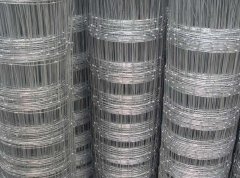
Standard wire mesh refers to pre-designed, off-the-shelf products produced according to common specifications:
Regular mesh sizes and wire diameters
Fixed panel dimensions or rolls
Standard materials such as low-carbon steel, galvanized steel, or stainless steel
Typically available in bulk from manufacturers
Standard products are suitable for general applications, cost-sensitive projects, and immediate orders.
OEM Wire Mesh
OEM (Original Equipment Manufacturer) wire mesh is customized according to a distributor or end-customer’s requirements:
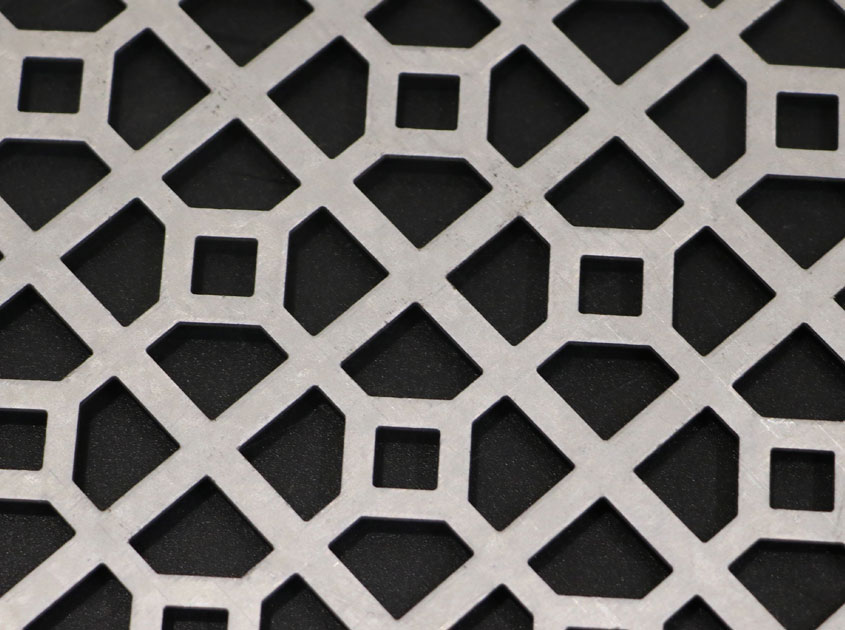
Unique mesh patterns, wire diameters, or panel sizes
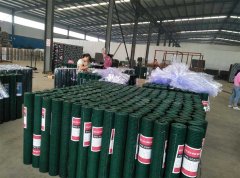
Special materials or coatings (stainless steel, PVC-coated, powder-coated)
Custom branding, labeling, or packaging
Compliance with specific project standards or certifications
OEM wire mesh allows distributors to differentiate themselves in competitive markets and provide tailor-made solutions.
Advantages of Standard Wire Mesh for Distributors
Lower Initial Investment
Standard wire mesh is produced in large volumes, which reduces unit cost. Distributors can purchase smaller quantities without high setup costs.
Immediate Availability
Off-the-shelf products can be shipped quickly, enabling fast turnaround for customers and reducing stockouts.
Lower Risk
Proven specifications reduce quality disputes and compatibility issues. Manufacturers have well-established production processes for standard products.
Simpler Inventory Management
Standardized dimensions and materials make storage, logistics, and order fulfillment easier.
Ideal for: Distributors targeting mass-market projects, general construction, or first-time buyers.
Advantages of OEM Wire Mesh for Distributors
Market Differentiation
Customized products allow distributors to offer unique solutions, which can attract premium clients or niche markets.
Higher Profit Margins
OEM products often command higher prices due to customization and value-added services.
Branding Opportunities
Custom labeling, packaging, and branding strengthen distributor identity and loyalty among customers.
Tailored Solutions for Specific Projects
OEM wire mesh can meet precise project requirements for construction, architectural applications, or specialized industries.
Ideal for: Distributors serving premium clients, large infrastructure projects, or markets that demand customization.
Considerations for Choosing Between OEM and Standard Wire Mesh Cost and Investment
Standard wire mesh: Lower upfront cost, easier bulk purchasing
OEM wire mesh: Higher unit cost due to tooling, customization, and lower production scale
Lead Time
Standard wire mesh: Shorter lead times, faster delivery
OEM wire mesh: Longer lead times due to design approval, material selection, and production setup
Inventory and Storage
Standard wire mesh: Easier to stock in warehouses, predictable demand
OEM wire mesh: Requires careful planning and inventory management to avoid overstock or understock
Market Demand and Client Needs
Evaluate your customer base: Are they price-sensitive or quality-focused?
Are there recurring orders for customized products that justify OEM production?
Best Practices for Distributors
Mix Both Options Strategically
Many distributors carry a base stock of standard wire mesh while offering OEM options for high-value projects.
Work with Experienced Manufacturers
Partner with Chinese manufacturers who offer both standard and OEM capabilities. Ensure they provide quality assurance, export documentation, and compliance with international standards.
Assess Profitability and ROI
Calculate total cost, including shipping, customization, packaging, and potential premium pricing, before committing to OEM orders.
Maintain Clear Communication with Customers
Clarify lead times, specifications, and pricing for customized products to avoid disputes and improve satisfaction.
Conclusion
Both OEM and standard wire mesh have their place in a distributor’s product portfolio. Standard wire mesh offers low cost, immediate availability, and simplicity, making it ideal for general projects and bulk orders. OEM wire mesh, on the other hand, provides differentiation, higher margins, and tailored solutions, suitable for premium clients or specialized applications.
For distributors looking to maximize market reach and profitability, a balanced strategy combining standard and OEM wire mesh often delivers the best results. Partnering with a professional Chinese wire mesh manufacturer that supports both options ensures quality, timely delivery, and flexibility to meet evolving customer needs.
.png "Qunkun Metal - China wire mesh manufacturer")


.jpg "Duplex Stainless Steel Wire Mesh UNS S31803(S32205)")