2026-09-22
Welded wire mesh is manufactured by joining horizontal and vertical steel wires at their intersections to form a regular grid. Unlike woven wire mesh, where wires are mechanically interlaced, welded wire mesh uses welding to create fixed connection points.
This manufacturing method gives welded wire mesh a stable structure, consistent openings and relatively good dimensional accuracy. Depending on the application, welded mesh can be supplied in rolls or rigid panels, with galvanized, PVC-coated or other surface treatments.
For importers, distributors, contractors and project buyers, understanding how welded wire mesh is manufactured makes it easier to evaluate product quality and compare different suppliers.
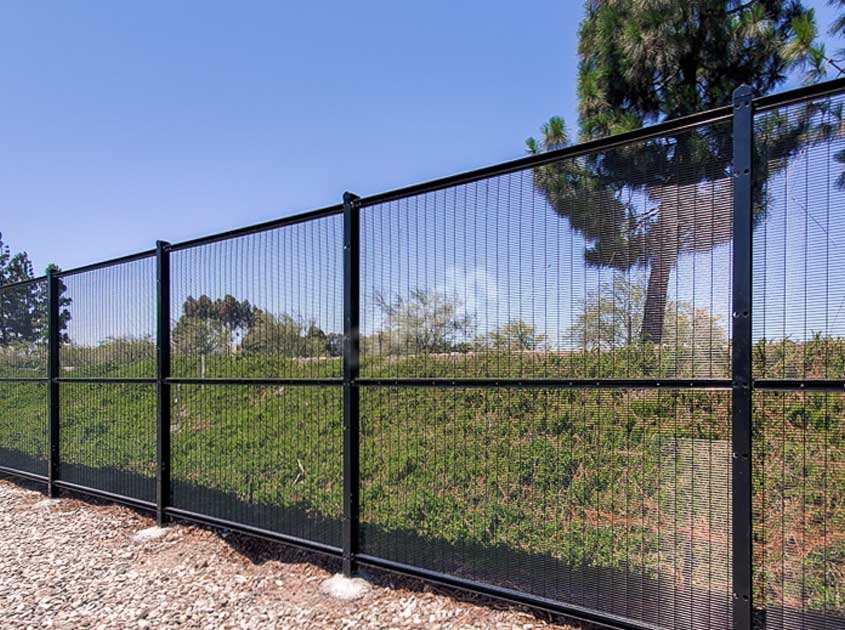
What Is Welded Wire Mesh?
Welded wire mesh consists of longitudinal and transverse wires arranged at predetermined intervals and joined together at their intersections.
The finished mesh can be produced with different:
Wire diameters
Mesh openings
Widths
Lengths
Surface treatments
Materials
Roll or panel formats
Common applications include:
Construction
Agriculture
Animal enclosures
Garden fencing
Industrial protection
Storage areas
Landscaping
Concrete reinforcement-related applications
General fabrication
The manufacturing process is relatively straightforward in principle, but consistent production requires accurate wire preparation, machine settings and quality control.
Welded Wire Mesh Manufacturing Process
A typical production process includes the following stages:
Raw Wire → Wire Preparation → Straightening → Wire Feeding → Wire Arrangement → Resistance Welding → Mesh Forming → Cutting or Rolling → Surface Treatment → Inspection → Packaging
The exact process varies depending on whether the mesh is produced as galvanized wire mesh, welded-then-galvanized mesh, PVC-coated mesh or another product configuration.
1. Selecting the Raw Steel Wire
The first step is selecting suitable steel wire.
The raw material needs to match the required:
Wire diameter
Mechanical properties
Surface condition
Galvanizing requirements
Welding characteristics
Final application
Different welded mesh products may use different grades or types of steel wire.
For example, a light garden mesh and a heavier industrial welded mesh may require very different wire specifications.
The wire diameter is especially important because it affects the finished mesh weight, rigidity and material consumption.
2. Wire Preparation
Before welding, the wire must be prepared for the mesh production line.
Depending on the production setup, preparation can include:
Straightening
Cutting
Cleaning
Feeding
Positioning
Straight wire is particularly important because bent or inconsistent wire can affect the accuracy of the mesh openings.
For automatic production, the wires must also be fed into the machine at a consistent rate.
3. Straightening the Wire
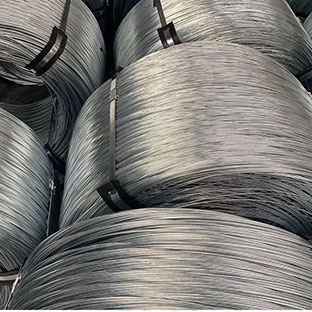
Steel wire is often supplied in coils.
The wire must therefore be straightened before it can be accurately positioned in the welding machine.
Straightening equipment removes excessive curvature from the wire while maintaining the required diameter and surface condition.
The objective is to produce wire that can be positioned consistently during welding.
Poor straightening can contribute to:
Uneven mesh openings
Wire displacement
Dimensional variation
Difficulty during welding
Therefore, wire preparation is an important part of the overall manufacturing process.
4. Feeding the Longitudinal and Cross Wires
Welded wire mesh uses two directions of wire.
The longitudinal wires run continuously along the length of the mesh, while the cross wires are positioned at specified intervals.
The production machine controls the spacing between these wires according to the required mesh opening.
For example, a specification might require:
50 × 50 mm mesh opening
or
2 × 2 inch mesh opening
The machine must maintain this spacing consistently throughout production.
5. Setting the Mesh Opening
Mesh opening is one of the most important production parameters.
Common openings can include:
12.5 × 12.5 mm
25 × 25 mm
50 × 50 mm
75 × 75 mm
100 × 100 mm
100 × 50 mm
Customized openings
The actual available sizes depend on the production equipment and product requirements.
The mesh opening affects:
Containment
Visibility
Airflow
Weight
Rigidity
Material consumption
Application suitability
Therefore, the welding machine must maintain accurate wire spacing throughout the production run.
6. Resistance Welding at Each Intersection
This is the defining step in welded wire mesh production.
The longitudinal and cross wires are placed over each other at their intersections.
The machine then applies electrical current and pressure to create a welded connection.
This is commonly known as resistance welding.
The welding process generates heat at the contact point because of electrical resistance.
When the correct welding parameters are used, the wires become securely joined at their intersections.
The main welding parameters can include:
Electrical current
Welding time
Electrode pressure
Wire diameter
Machine speed
These parameters need to be adjusted according to the wire material and mesh specification.
7. Why Welding Quality Matters
Every intersection does not necessarily need to have the same visual appearance, but the welds should meet the required product specification.
Poor welding can result in:
Weak intersections
Broken weld points
Loose wires
Mesh deformation
Difficulty during installation
Consistent welding is particularly important for applications where the mesh will be handled, tensioned or used as a physical barrier.
Manufacturers should therefore inspect both the welding process and the finished mesh.
8. Forming the Finished Mesh
Once the wires are welded together, the machine continuously produces the mesh.
Depending on the product design, the mesh can be produced as:
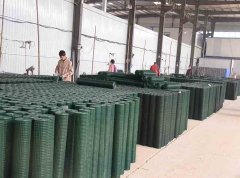
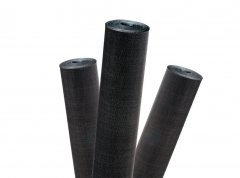
Welded Wire Mesh Rolls
Rolls are convenient for:
Garden fencing
Agricultural applications
Animal enclosures
Landscaping
General-purpose fencing
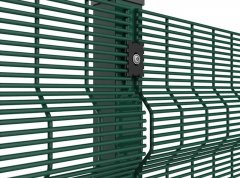
Welded Wire Mesh Panels
Panels are commonly used when a more rigid product is required.
Applications can include:
Construction
Industrial fencing
Machine protection
Security barriers
Storage areas
The production line can be configured according to the required mesh width and length.
9. Cutting the Mesh to Length
For panel production, the welded mesh is cut to predetermined lengths.
For example:
2.0 m × 3.0 m panel
or
1.8 m × 2.4 m panel
The exact dimensions depend on the project specification.
Accurate cutting is important because panels must fit correctly during installation.
For roll products, the mesh is generally accumulated and rolled continuously until the required roll length is reached.
10. Galvanizing the Welded Wire Mesh
Welded wire mesh can be galvanized in different ways.
One common option is to use galvanized wire before welding.
Another production route is to weld the mesh first and then galvanize the finished mesh.
These two approaches should not be treated as identical.
Welded From Galvanized Wire
The steel wire is galvanized before entering the welding machine.
Advantages can include:
Efficient production
Consistent galvanized wire surface
Common availability
However, the welding process can affect the coating locally at the weld points.
Welded First, Then Galvanized
The mesh is produced first and then undergoes galvanizing.
This production route allows the finished mesh to receive a galvanizing treatment after welding.
The appropriate method depends on the product specification, coating requirements and manufacturing process.
When buying galvanized welded wire mesh, ask the supplier:
Is the mesh welded from galvanized wire, or is the finished mesh galvanized after welding?
11. PVC-Coated Welded Wire Mesh
Some welded wire mesh products receive a PVC or polymer coating.
A typical construction may consist of:
Steel Wire → Galvanizing → Welding/Processing → PVC Coating
or another manufacturing sequence depending on the product.
PVC-coated welded wire mesh can provide:
Additional environmental protection
A colored surface
Decorative appearance
A different tactile finish
Green and black are common colors, while other colors may be available for customized orders.
The coating specification should be confirmed for outdoor applications.
12. Surface Treatment Inspection
After galvanizing or PVC coating, the finished mesh should be inspected.
Important checks can include:
Zinc Coating
For galvanized mesh, the coating specification should be checked according to the applicable standard or customer requirement.
PVC Coating
For PVC-coated mesh, manufacturers may check:
Coating coverage
Surface consistency
Color
Coating thickness
Adhesion, where applicable
The exact inspection method depends on the product specification.
13. Dimensional Quality Control
Dimensional inspection is another important part of welded wire mesh manufacturing.
Manufacturers may check:
Wire diameter
Mesh opening
Mesh width
Panel length
Roll length
Flatness
Weld spacing
Overall appearance
For example, if the specification is:
Wire diameter: 2.5 mm
Mesh opening: 50 × 50 mm
the finished product should be checked against the agreed tolerances.
For large export orders, dimensional consistency is particularly important because the mesh may be installed across hundreds or thousands of square meters.
14. Weld Strength and Appearance Inspection
The weld intersections are inspected to identify obvious defects.
Typical issues may include:
Missing welds
Weak weld points
Broken wires
Loose intersections
Deformed mesh
Excessive welding marks
The acceptable level depends on the applicable product standard and intended use.
For higher-demand applications, buyers may specify particular mechanical or weld-performance requirements.
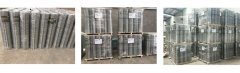
15. Roll and Panel Packaging
After inspection, the finished mesh is prepared for shipment.
Roll Packaging
Welded wire mesh rolls may be:
Rolled tightly
Secured with straps
Wrapped with plastic
Protected with additional packaging
Loaded onto pallets where required
Panel Packaging
Panels may be:
Bundled together
Secured with steel or plastic straps
Protected at the edges
Stacked for container loading
Packaging should prevent unnecessary deformation or damage during handling and transportation.
16. Container Loading
For international shipments, packaging and container utilization are important.
The manufacturer may need to consider:
Roll diameter
Roll width
Panel dimensions
Bundle weight
Pallet use
Container type
Loading sequence
For distributors importing large quantities, efficient loading can help reduce transportation cost per unit.
A professional supplier should confirm the estimated packing quantity and loading arrangement before shipment.
What Determines the Quality of Welded Wire Mesh?
The final quality is not determined by the welding machine alone.
Several factors work together.
1. Wire Quality
The steel wire should match the agreed specification.
2. Wire Diameter
Diameter should remain consistent throughout production.
3. Mesh Opening
The machine should maintain accurate spacing.
4. Welding Parameters
Current, pressure and welding time influence the quality of the welded intersections.
5. Surface Treatment
Galvanizing or PVC coating should meet the specified requirements.
6. Dimensional Accuracy
Width, length and opening size should remain within the required tolerances.
7. Packaging
The finished product should be adequately protected during transportation.
Galvanized vs PVC-Coated Welded Wire Mesh
Feature Galvanized Welded Mesh PVC-Coated Welded Mesh
Base material Steel Steel
Surface Zinc coating Polymer/PVC coating
Appearance Metallic Colored
Corrosion protection Depends on zinc coating Depends on coating and underlying steel
Common colors Metallic zinc Green, black and others
Typical applications Agriculture, construction, industrial Garden, landscaping, fencing, animal enclosures
Customization High High
Neither option is automatically suitable for every project. The environment, appearance and required corrosion protection should be considered.
Welded Wire Mesh vs Woven Wire Mesh
Welded wire mesh and woven wire mesh are manufactured differently.
Feature Welded Wire Mesh Woven Wire Mesh
Manufacturing Wires welded together Wires woven/interlaced
Intersection Fixed welded points Interlocking wires
Structure Relatively rigid Generally more flexible
Opening shape Usually square/rectangular Various patterns
Common formats Rolls and panels Mostly rolls
Typical applications Fencing, cages, construction Screening, filtration, fencing and other uses
The appropriate product depends on the required flexibility, opening, strength and application.
Example Welded Wire Mesh Specification
A professional inquiry can be written as:
Product: Welded Wire Mesh
Material: Galvanized Steel
Wire Diameter: 2.5 mm
Mesh Opening: 50 × 50 mm
Width: 1.8 m
Roll Length: 25 m
Surface: Galvanized
Edge: Standard
Quantity: 1,000 rolls
Application: Agricultural fencing
Destination: Customer's port
For panel products, replace the roll length with the required panel dimensions.
Providing complete specifications helps manufacturers quote accurately and reduces misunderstandings between buyer and supplier.
How Do Manufacturers Control Welded Mesh Quality?
A professional quality-control process may include several stages.
Incoming Material Inspection
Check:
Wire diameter
Surface condition
Material documentation
Coil condition
Production Inspection
Monitor:
Mesh opening
Wire alignment
Welding points
Production speed
Mesh width
Finished Product Inspection
Check:
Dimensions
Weld quality
Surface treatment
Appearance
Packaging
Pre-Shipment Inspection
Before loading, the supplier can verify:
Quantity
Product specification
Packaging
Marking
Container loading
For large international orders, buyers may also arrange independent inspection.
Common Manufacturing Problems
Uneven Mesh Openings
Possible causes include inaccurate wire feeding or machine adjustment.
Weak Welds
Possible causes include unsuitable welding parameters, wire condition or machine settings.
Mesh Deformation
This may occur during production, cutting, handling or packaging.
Coating Damage
Galvanized or PVC-coated surfaces can be damaged by improper handling.
Inconsistent Wire Diameter
Variations in raw wire can affect the final product.
Quality control at multiple stages helps reduce these problems.
What Should Buyers Ask a Welded Wire Mesh Manufacturer?
Before placing an order, ask the supplier to confirm:
Wire material
Wire diameter
Mesh opening
Roll or panel dimensions
Galvanizing method
Zinc coating specification
PVC coating, if required
Weld quality requirements
Tolerances
Packaging
Quantity per container
Production time
Inspection documents
For customized products, a sample or approved specification sheet can be useful before mass production.
FAQ
How is welded wire mesh made?
Welded wire mesh is made by arranging longitudinal and transverse steel wires at predetermined intervals and joining them at their intersections, typically using resistance welding.
Is welded wire mesh stronger than woven wire mesh?
Welded mesh has fixed welded intersections and is generally more rigid than many woven mesh products. However, actual strength depends on wire diameter, steel properties, mesh opening, weld quality and construction.
Can welded wire mesh be made in rolls?
Yes. Lightweight and medium-weight welded wire mesh is commonly produced in rolls. Heavier products are often supplied as rigid panels.
Is welded wire mesh galvanized?
It can be. Welded wire mesh may be produced from galvanized wire or galvanized after welding, depending on the manufacturing process and specification.
Can welded wire mesh be PVC coated?
Yes. PVC-coated welded wire mesh is commonly used for applications where a colored finish and additional environmental protection are desired.
What determines welded wire mesh quality?
Important factors include wire quality, wire diameter, mesh opening accuracy, weld consistency, surface treatment, dimensional tolerances and packaging.
What is the difference between welded wire mesh and welded wire fence?
Welded wire mesh is the mesh product itself. Welded wire fence usually refers to a complete fencing system that may include welded mesh, posts, gates, brackets and other components.
Conclusion
The manufacturing of welded wire mesh may appear simple, but producing consistent commercial-quality mesh requires control at every stage.
The basic process is:
Steel Wire → Preparation → Straightening → Wire Feeding → Positioning → Resistance Welding → Mesh Forming → Cutting/Rolling → Surface Treatment → Quality Inspection → Packaging
The most important quality factors include wire diameter, mesh opening, welding consistency, surface treatment and dimensional accuracy.
For distributors, contractors and international buyers, understanding the manufacturing process provides a useful basis for evaluating suppliers. Instead of comparing quotations only by price, buyers can compare the complete specification and production method.
When sourcing welded wire mesh from China, a detailed inquiry should clearly identify the wire diameter, mesh opening, dimensions, surface treatment, quantity and application. This gives the manufacturer a clear production target and helps ensure that different supplier quotations are genuinely comparable.
prev:How Is Chain Link Wire Mesh Made? Manufacturing Process Explained
next:none
.png "Qunkun Metal - China wire mesh manufacturer")


.jpg "Duplex Stainless Steel Wire Mesh UNS S31803(S32205)")